 Getly
Getly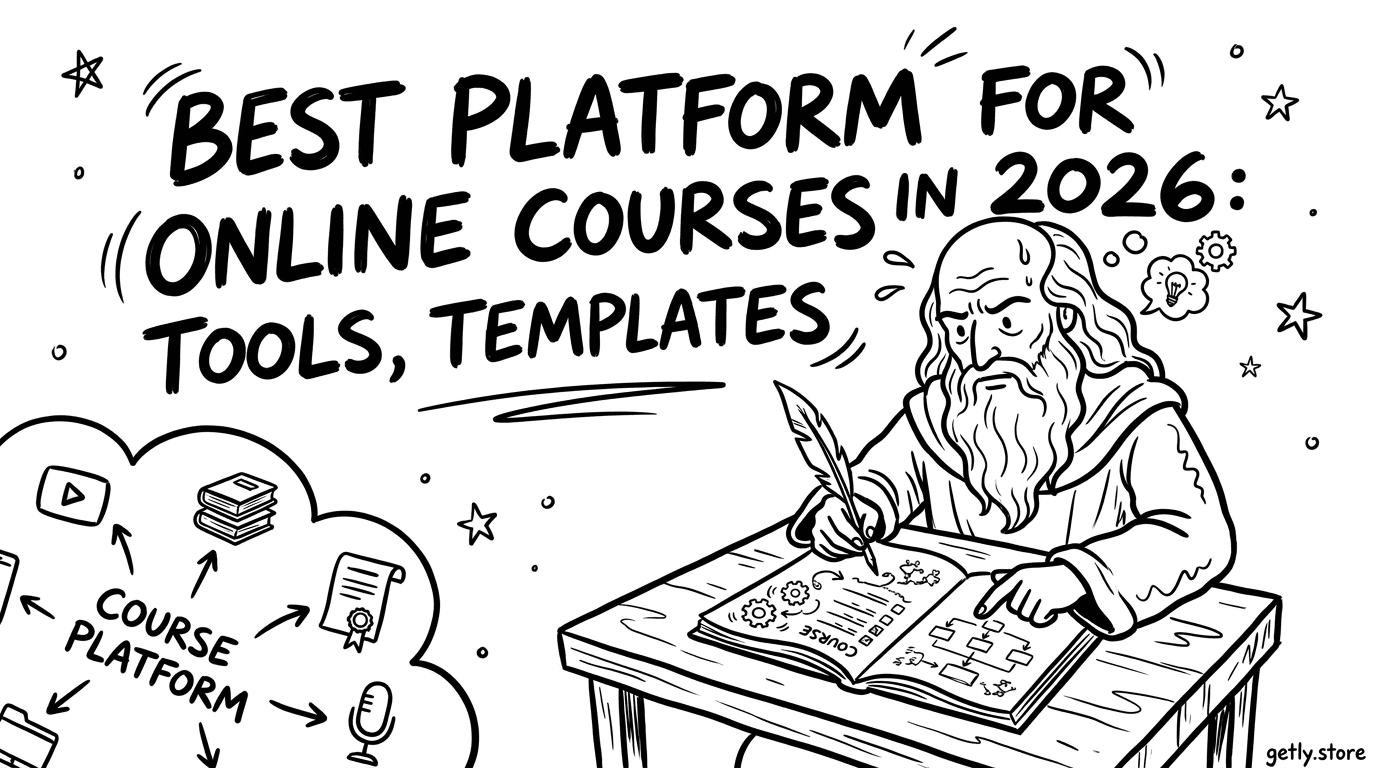
In 2026, selling an online course depends less on “having content” and more on how fast you can package it, market it, and deliver it. The best platform for online courses helps you create digital course assets, protect your work, and reach buyers who actively download and learn.
This guide breaks down what actually matters when you want to sell online courses, which course creation tools to use, and how templates and digital add-ons can increase perceived value.
- The best platform for online courses pairs course hosting with fast delivery and multiple license tiers.
- Course creation tools speed up learning materials (slides, tutorials, templates) and reduce production time.
- Bundling ebooks, templates, and media helps you sell ebooks online alongside your main course.
- Automated DMCA protection and clear licensing lower your operational stress.
- AI-powered discovery features help buyers find your course faster.
What is the best platform for online courses in 2026?
The best platform for online courses in 2026 gives you more than a checkout button. It supports digital delivery, multiple licensing options, and a way to scale marketing and discovery without rebuilding everything from scratch.
When you compare platforms, focus on the parts that directly affect conversion and fulfillment: how buyers find your product, how quickly they download it, and how you structure rights (for example, student vs. team licensing).
What “best” means for course creators
For creators, “best” usually means three things you can measure. First, buyers get what they paid for without delay, which reduces support messages. Second, you control distribution with multi-license tiers, so you do not sell the same asset the same way forever.
Third, you keep revenue because the marketplace model fits your workflow. On Getly.store, creators keep 80% of revenue, which changes your unit economics when you sell course bundles or add-on templates.
What to check before you choose a platform
Use a quick checklist so you do not switch ecosystems after you build your catalog. Start with delivery and licensing, then move to visibility and protection.
- Unlimited downloads option: useful if you want to package updates with a paid tier (Getly Pro exists).
- Multi-license tiers: helps you price for personal use vs. commercial use.
- DMCA protection: automated DMCA protection helps reduce manual takedown work.
- Search quality: AI-powered search and visual search improve buyer discovery.
- Payment flexibility: supports card and crypto (USDT/USDC on Tron, BSC, Polygon, Solana, Ethereum).
Pro tip: Pick a platform that supports bundles and multiple licensing from day one. Later changes often require you to repackage offers, especially when you sell ebooks online alongside your course.
How to sell online courses with a clear course offer?
To sell online courses, you need a course offer that communicates outcomes and makes delivery feel effortless. The platform matters, but your structure matters more: lessons, downloads, templates, and licensing that match buyer intent.
A strong offer usually includes a main course plus practical assets. Many buyers want “watch and do,” not “watch and imagine.” That is where course creation tools and templates earn their keep.
Build a course package buyers can act on
Turn your teaching into artifacts: worksheets, preset files, prompt packs, checklists, project templates, and media assets. Each artifact reduces the friction between learning and execution.
For example, if your education niche touches design, you can include learning templates. If it touches video or motion, you can include presets. If it touches creative workflows, you can include converters or plug-ins where relevant.
Use bundles to sell ebooks online and course add-ons
Bundling increases perceived value because buyers see a complete kit rather than a single upload. The same logic applies when you sell ebooks online. An ebook becomes the “bridge” between lessons, while templates become the “practice” layer.
On platforms with bundles, you can package complementary items under one purchase so buyers get everything they need without hunting across your catalog.
| Course goal | Bundle add-on type | Buyer outcome |
|---|---|---|
| Learn a workflow | Step-by-step templates | Faster execution during practice |
| Improve results quickly | Presets and project files | Repeatable outcomes |
| Learn principles | Ebook companion | Reference during and after the course |
| Publish faster | Media assets and examples | Higher consistency |
Common mistake: Listing only lecture videos. Many buyers churn when they cannot apply lessons immediately. Add downloadable templates, example files, or checklists so the course delivers “do-able” value.
What course creation tools should you use to build faster?
Course creation tools should reduce your time-to-publish and protect your teaching quality. In 2026, the creators who ship fastest usually rely on templates, repeatable assets, and structured production workflows.
Think of tools in three categories: lesson scripting, learning material production, and deliverable packaging. When you streamline all three, your course pipeline stays stable even when you add new topics.
Lesson production tools that save time
Start with tools that help you write and outline modules. You then turn each module into short lessons with clear outcomes. Even a simple structure like “concept, example, exercise” helps you create repeatable lesson batches.
Next, use templates for consistent slides, lesson notes, and project guides. Consistency reduces editing time. It also makes your course feel professional because students see the same layout and expectations across modules.
Templates and media assets that make courses feel premium
Digital courses sell better when they include files learners can use right away. Presets, plugins, conversion tools, and ready-to-edit materials turn your teaching into an immediate win.
Here are examples of course-adjacent digital goods you can bundle with education content. If your course teaches creative production, these add-ons can help buyers practice immediately:
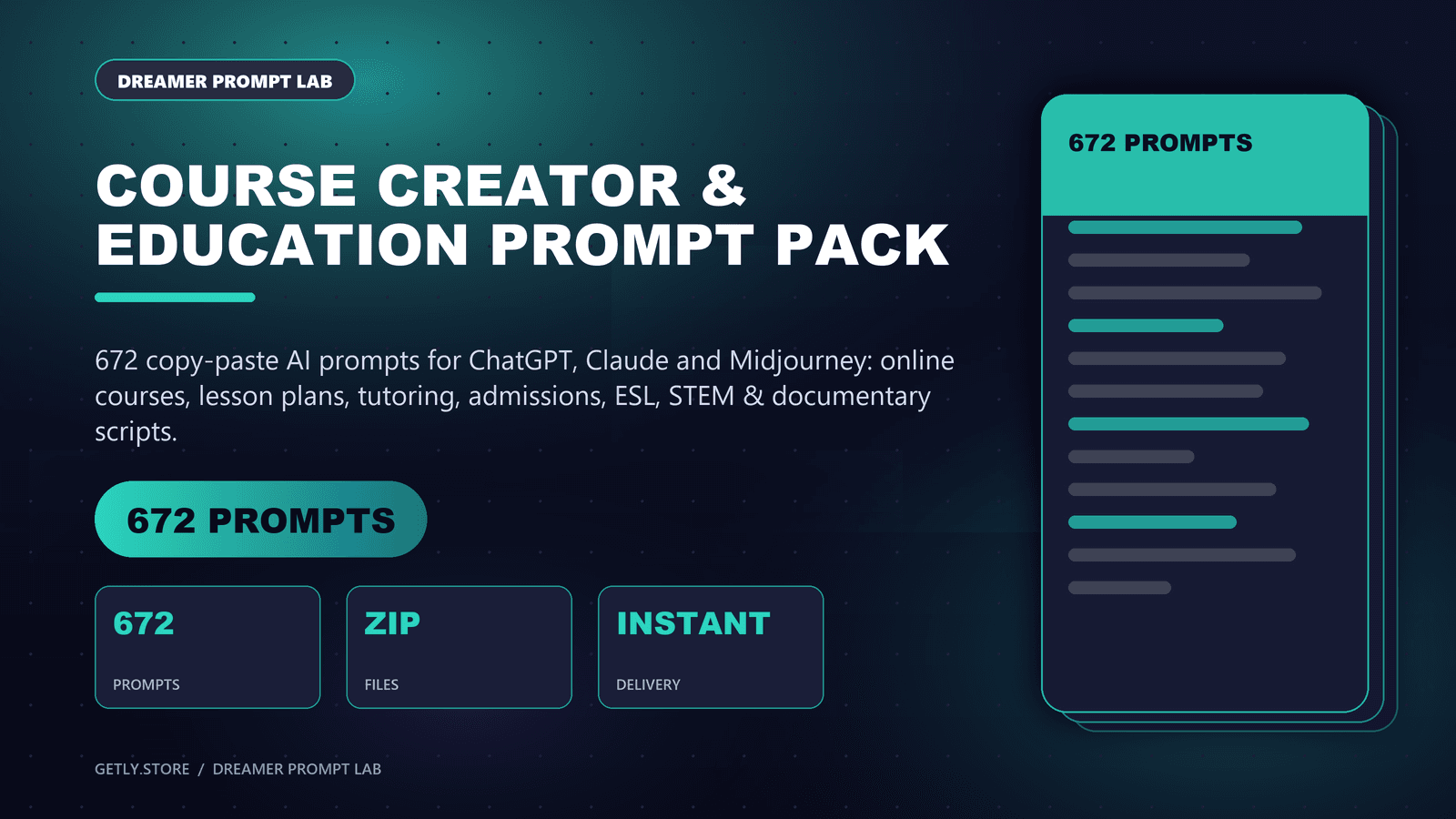
- Escape the Paycheck Trap for career-education style modules and action plans
- Product Title AI Text Animation Mastery: Create Viral Videos Without Showing Your Face as a video-creation companion
- Perfume Blueprint for step-by-step product and formulation education
If you work in motion, design, or creative software workflows, you can also pair lessons with specialized files like presets and converters. Get creative with your bundle based on what your students need to practice, not just what sounds relevant.
Success pattern: Creators boost completion rates when they attach “starter assets” to lessons. Students do not waste time recreating setup steps, so they stay focused on the learning objective.
How to package digital courses with multi-license tiers?
Multi-license tiers help you sell online courses to different buyer types without changing the lesson content. A learner license can serve students, while a commercial tier can serve creators and small teams who need broader usage rights.
When you offer tiers, you reduce pricing confusion. Buyers pick the rights level that matches their use case, and you avoid undercharging or overcharging.
Design licenses around real usage
Instead of using vague categories, map each tier to a specific promise. For example, a personal tier can cover your buyer’s own learning. A commercial tier can cover using outcomes in projects they monetize. The key is that your tier names and descriptions match buyer expectations.
On Getly.store, multi-license tiers exist, which gives you the structure needed for this approach without rebuilding your entire catalog logic.
Keep your downloads organized by tier
Students expect their course materials to arrive in a coherent way. You should organize files so learners know what to install, where to start, and which extras match which module.
Even if your course includes multiple assets, you can still present a clean download experience. Buyers appreciate order, and it reduces support emails.
Pro tip: Add a “Getting Started” document to every tier. It reduces churn because buyers immediately understand how to use the course files and companion ebooks.
How to market and scale sell online courses in 2026?
You market online courses with relevance and speed. Buyers find digital learning when your product metadata matches their intent, and they download when delivery feels instant and clear.
In 2026, discovery also depends on how well your platform surfaces your catalog. AI-powered search and visual search can shorten the path between “I need this” and “here’s the course.”
Optimize your listing for buyer intent
Write a product description that mirrors what buyers want to accomplish. Include module highlights, deliverables, and who the course fits. Add specifics like what file types come with the course, what learners can produce after finishing, and what experience level the course assumes.
Also, include examples where possible. One concrete example beats five generic claims because buyers judge courses by outcomes.
Use visual and AI discovery to expand reach
AI-powered search helps you get matched with the right audience, especially when your course topic includes common phrases and technical terms. Visual search can also matter when buyers look for specific styles, assets, or example outputs.
On top of discovery, flexible payments matter. Getly.store supports card and crypto payments (USDT/USDC on Tron, BSC, Polygon, Solana, Ethereum), which helps you capture international demand without forcing one payment method.
FAQ: Sell ebooks online and course creation in 2026
What is the best platform for online courses in 2026?
The best platform for online courses in 2026 combines fast digital delivery, multi-license tiers, and strong discovery features. It also supports creator-friendly revenue sharing and automated protection so you can focus on teaching and packaging.
Getly.store offers a marketplace approach with creator revenue sharing and features like multi-license tiers, AI-powered search, visual search, and automated DMCA protection.
How do I sell online courses and ebooks together?
Bundle your main course with an ebook companion that reinforces key concepts and provides reference material. Add practical templates or starter assets so learners can apply lessons immediately after each module.
This bundle approach also helps when you sell ebooks online, because the ebook becomes a “use now” resource rather than a standalone purchase.
Which course creation tools help most with packaging?
The best course creation tools support structured lesson production, consistent materials, and quick creation of downloadable deliverables. Use templates for slides and worksheets, then create practice-ready assets that match your course exercises.
That packaging step often matters as much as your lecture quality, because it determines what learners can do right after they buy.
Do multi-license tiers affect how I price my course?
Yes. Multi-license tiers let you align pricing with buyer usage. Learners and creators often need different rights, and tiers clarify expectations so buyers choose correctly.
On Getly.store, multi-license tiers exist, which supports this pricing structure without forcing you into one-size-fits-all offers.
How does automated DMCA protection help course creators?
Automated DMCA protection reduces the manual workload involved in responding to infringement. When you sell digital courses and downloadable files, this protection helps you spend time on new content rather than constant takedown admin.
It also supports long-term catalog health because it targets infringement at scale.
- The best platform for online courses in 2026 pairs delivery, licensing, and discovery.
- Course creation tools matter most when they produce practice-ready downloads.
- Bundling helps you sell ebooks online as part of a complete learning system.
- Multi-license tiers reduce pricing confusion and match buyer rights.
If you want a simple next step, audit your current course idea and list the downloads learners would want on day one. Then structure a bundle around those assets so the course feels complete from the first purchase.
Getly Support