 Getly
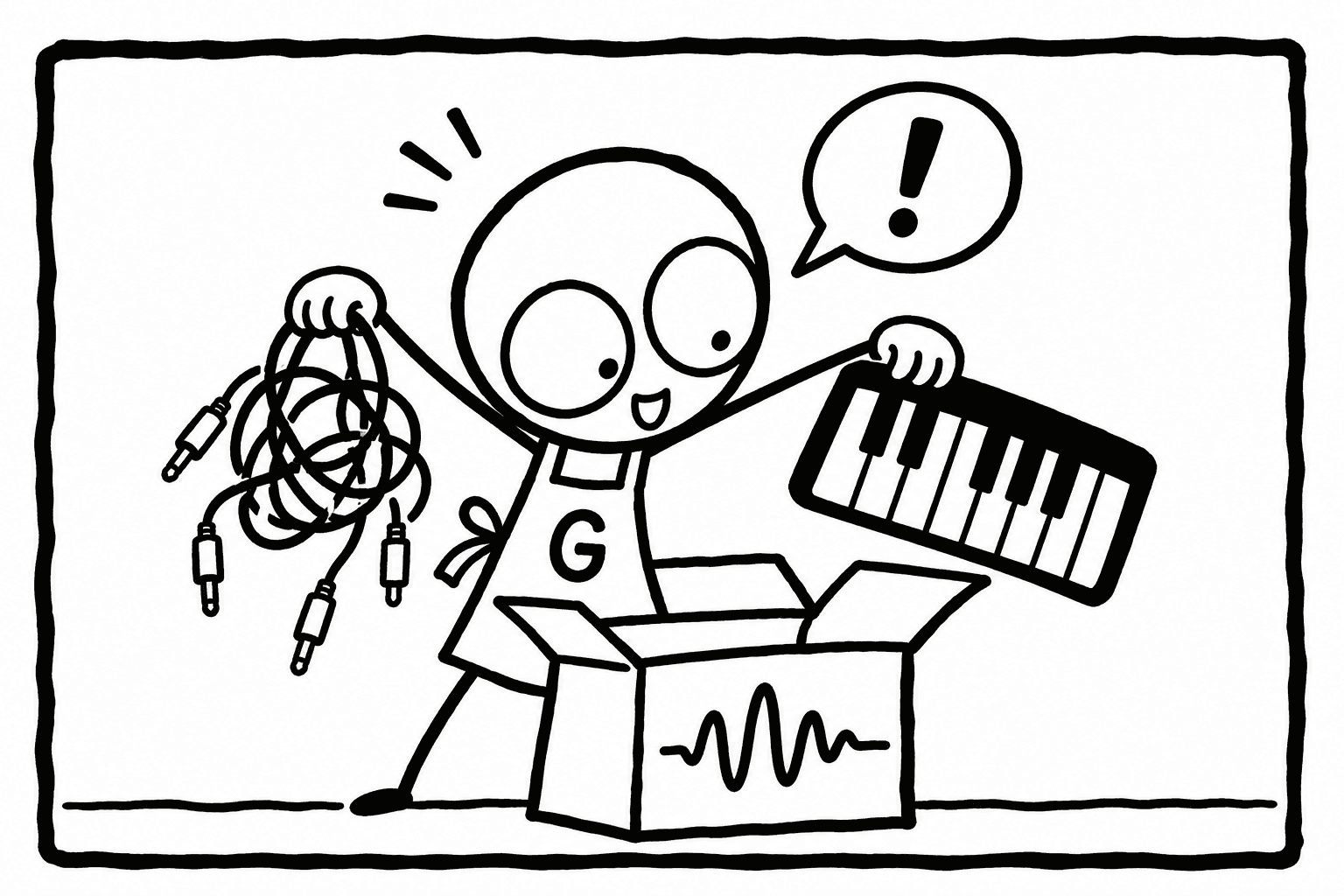
An FL Studio FLP is the project file of a finished track: the patterns, the playlist, the mixer and every automation clip, opened exactly as the producer left it. Buying one is the fastest way to see how a drop is built, or to start a remix from a working arrangement. Before you pay, three things decide whether it will open and whether you may release what you make: the plugins it needs, the FL Studio version it was saved in, and the licence. This guide covers all three, plus what FLP project files cost on Getly today.
What the shelf looks like today
We measured the DAW project file and audio shelves on Getly on 6 November 2026. Two numbers matter, and they describe different things.
| Listings with "FLP" or "FL Studio" in the name | Whole DAW project and audio shelf | |
|---|---|---|
| Active listings | 23 | 156 |
| Median price | $9.99 | $7 |
| Middle half of prices | $3 to $9.99 | $4.99 to $11.25 |
| Free listings | 8.7% | 3.2% |
| Commercial licence | 21.7% | 46.8% |
| Personal licence | 26.1% | 19.9% |
| No licence stated | 0% | 23.7% |
The left column is what this article is about: listings whose name says FLP or FL Studio. The right column is the whole shelf, which also holds Ableton and Logic projects, mixing courses, sample packs and presets. Two things stand out. First, FL Studio projects are cheap: a typical one costs about ten dollars, less than a single month of most plugin subscriptions. Second, every FL Studio listing states a licence, but only about a fifth of them state a commercial one. The rest carry personal or other licence types. If you plan to release a track, that difference is the one to read.
What an FLP file contains, and what it does not
An .flp is a recipe, not the ingredients. It stores notes, patterns, the playlist arrangement, mixer routing, effect settings, automation clips and the state of each plugin. It does not store most of the sounds.
- Samples. A bare .flp only points to sample files on the producer's disk. On your computer those paths are empty and FL Studio asks where the files are. Sellers avoid this by exporting a "zipped loop package", which bundles the samples with the project. If the listing ships a ZIP, check the description says the samples are inside.
- Third-party plugins. Synths and effects such as Serum, Sylenth1 or Nexus are never inside the project. You need your own installed and licensed copy. Without it the channel opens silent or shows a missing plugin message, and the patch on that channel is lost to you.
- Stock plugins. Anything that ships with FL Studio (Sytrus, Harmor, FLEX, Fruity Limiter and the rest) loads fine, provided your edition includes it. Some stock synths only come with the higher FL Studio editions, so check which edition the seller used.
- Audio stems and a demo. Many sellers add WAV stems and an MP3 preview. Stems are the safety net: if a plugin is missing, you still have the sound of that part.
FL Studio version: will it open?
FL Studio opens projects saved in older versions without trouble. The other direction is the problem: a project saved in a newer version may refuse to open in an older one, or open with parts missing. The rule is simple. Find the version the seller saved in, usually written in the description, and compare it with yours. If the listing does not say, ask the seller before you pay. A one-line answer saves you a refund request.
The same check applies to plugins. A Serum preset made in one major version may not load the same way in another. A good listing names the plugin, its version and whether presets are included.
Checklist before you buy an FLP
- Plugin list. The description should list every third-party plugin used. "All stock plugins" is the easiest case: it will open on any full FL Studio install.
- FL Studio version and edition. Saved in which version, and does it need a higher edition for certain stock synths?
- Samples included. Zipped loop package or a samples folder in the archive, not just the .flp.
- Audio preview. An MP3 demo of the full track, so you know what you are paying for. If there is none, listen to the preview on the product page or ask for one.
- Stems. WAV stems help when a plugin is missing and when you want to remix only one part.
- Sample and preset rights. Are the drums and one-shots royalty-free? From which pack? This matters for release, see below.
- Licence. Personal, commercial, or something else. Read it on the product page, not in the title.
FL Studio projects on Getly worth opening
These come from the FL Studio part of the shelf. "Style" in a title means the track is written in the manner of that producer. It does not mean the artist made or endorsed it. Prices as listed on 6 November 2026.
| Listing | What it is | Price |
|---|---|---|
| Big Room Techno Vol 2 (Hardwell Style) | FL Studio project in a ZIP, big room techno arrangement | $9.99 |
| Big Room Techno Vol 3 (Hardwell Revealed Style) | FL Studio project in a ZIP, the same series in another variation | $9.99 |
| EDM Progressive House Vol 1 (Martin Garrix Style) | FL Studio project in a ZIP, progressive house arrangement | $9.99 |
| Ken Carson / Che / Osamason FL Studio Vocal Preset | Not a project: an .fst mixer preset for vocals, built on stock plugins only | $8 |
The three project files sit right at the shelf median, so they are a fair way to test whether a bought project helps you. Open the ZIP, read the plugin list in the description and check your FL version before you start. The vocal preset is a different kind of file. An .fst loads onto one mixer track and gives you a chain of effects for a vocal. It is useful if you record rap vocals and want a starting point, but it contains no beat and no arrangement. Because it uses only stock plugins, it should load on any full FL Studio install. For everything else, browse DAW project files.
Releasing a track built on a bought FLP
This is where most buyers get caught. A project file contains three kinds of rights, and they can have different owners.
- The composition. The melody, chords and arrangement are the seller's creative work. Releasing a track that keeps their melody is releasing their composition, and a personal licence usually does not allow that.
- The samples. Drums and one-shots often come from commercial sample packs. Most packs are royalty-free for use in your own music, but the seller cannot give you more rights than they had. Ask where the samples come from.
- The presets. Synth presets from paid packs are usually fine inside a released track, but not for redistributing as presets.
| Licence | Typical meaning for an FLP |
|---|---|
| Personal | Open it, study it, practise with it. Releasing a track built on it is usually not covered. |
| Commercial | You may release music made with it. Read whether that covers the original melody or only the sounds and structure, and whether there is a limit on streams or sales. |
| Other | Read the text on the product page. If it does not answer your question, ask before buying. |
The safe path: if you want to release, buy a listing with a commercial licence, ask the seller in writing what you may do with the melody, and keep that answer. If you only want to learn, a personal licence is enough. A track you write yourself after studying someone's mixer routing is your own track.
How to learn from an FLP
A bought project pays for itself when you take it apart. A few things to look at, in this order:
- Mixer routing. Follow each channel to its mixer track, then to buses. See how drums, bass and leads are grouped, and what sits on the master.
- Sidechain. In big room and EDM projects the kick usually ducks the bass and pads. Find whether it is done with Fruity Limiter, a sidechain send or a volume automation, and how deep it goes.
- Automation clips. Open the clips before the drop. Filter sweeps, reverb throws and pitch risers are where a build gets its tension.
- Layering. Solo the lead. Most big leads are three or four layers with different octaves and filters.
- Gain staging. Mute the master chain and listen to the raw mix. You will hear how much the producer leaned on the limiter.
Then rebuild one section from scratch in an empty project, with your own sounds. That is the step that turns copying into skill.
Paying and downloading on Getly
You pay by card, with Apple Pay or Google Pay where your device supports it, or with USDT or USDC stablecoins. PayPal is not accepted. You do not need an account to buy. Card orders deliver the files right after payment; with an account, the project also stays in your library. Refunds have a 30-day window, and the Getly team reviews each request. You can also look through the wider audio and music shelf for sample packs and presets that pair with a project.