 Getly
Getly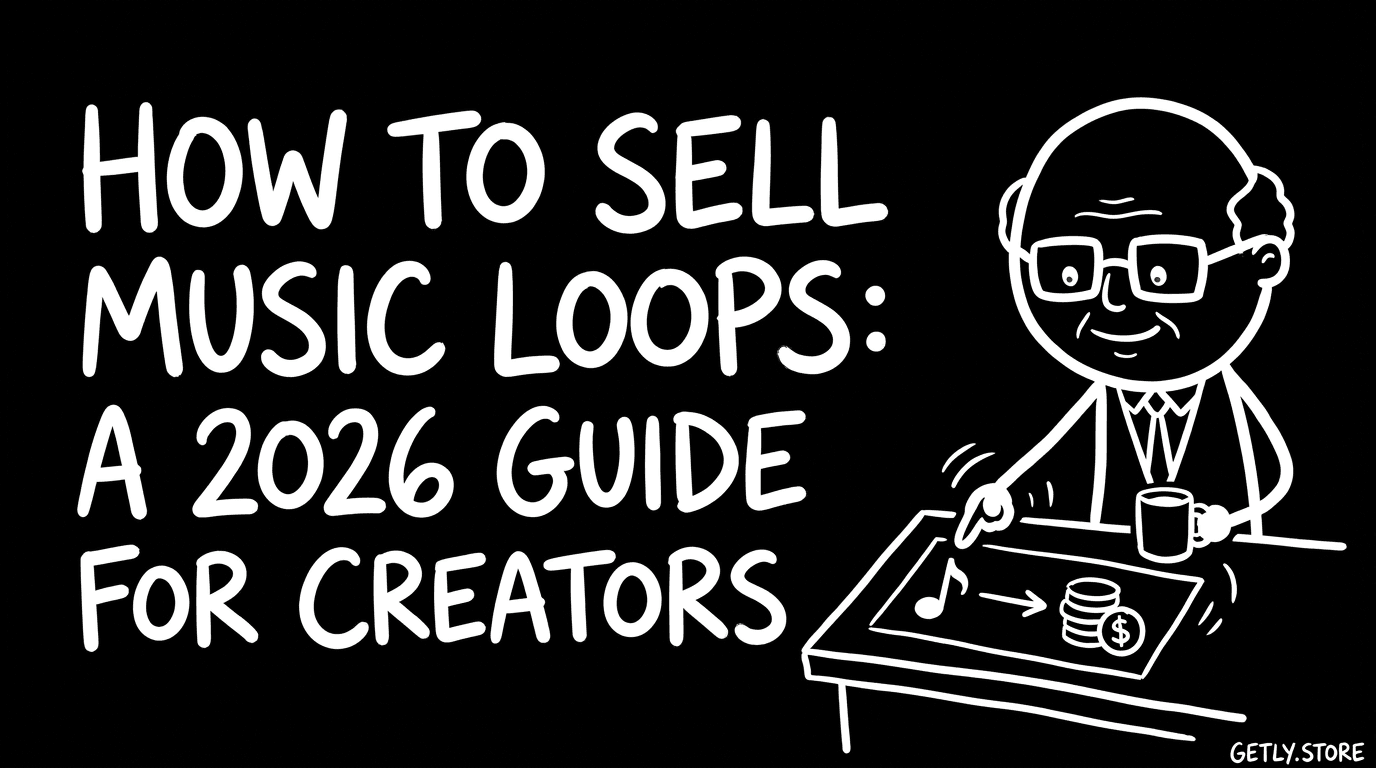
How to sell music loops — a 2026 guide for creators. This guide walks you through what loop buyers expect, how to package your files so projects load cleanly, and how to price single packs versus full producer kits. You will also get a practical checklist for previews, license tiers, and documentation, plus a channel plan for finding buyers who already buy music loops. Finally, you will learn how payouts work on Getly (including crypto options) so you can plan your workflow around real settlement timing.
Who's selling music loops right now?
You usually see three kinds of music loops sellers on marketplaces like this. The first is the solo producer who builds loop packs during spare time, then refines them into release-ready products with clean naming, consistent tempo/key tags, and a clear license.
The second is the small agency or production team that releases a steady stream of kits for a specific sound. They often target one genre per brand, like lofi hip-hop, drill, melodic techno, or cinematic ambient, so buyers recognize the style and trust the pack consistency.
The third is the side-project creator who treats loop packs as long-term assets. These sellers think in versions, update notes, and evergreen catalogs, so one good pack can keep selling for years.
What buyers expect
Loop buyers expect immediate usability. They want audio that drops into their workflow without guesswork, previews that match the actual contents, and metadata that helps them build quickly.
They also expect you to tell them what they are buying. Clear documentation reduces refund requests, especially when you include multi-license tiers or any special usage rules.
- Consistent audio quality across the pack, with previews that represent the files inside.
- Clear file organization (so buyers can find drums, chords, bass, stems, and variations fast).
- Basic documentation that explains usage, installation or setup notes if needed, and what each license tier covers.
- License terms and a license file included with the download so buyers do not have to hunt for rules.
- Fast, respectful support through platform messaging if a buyer runs into trouble.
Pricing playbook
Music loops pricing usually follows pack scope. Many creators list $10-40 for single packs and $80-200 for full producer kits, then adjust up or down based on how many assets they include and how targeted the sound feels.
Build an intro, mid, and premium ladder. Intro packs work as “try it” buys, mid packs match a typical workflow (drums plus melodic layers), and premium kits include more total content or a tighter bundle that saves producers time.
Bundle strategy matters more than you think. A full producer kit should feel like a complete session starter: drums, harmonics, bass, and useful variations. Single packs can focus on one role, like “Tech Drums,” “Chord Loops,” or “Bass Grooves.”
Use license tiers to match how buyers plan to use your loops. Offer at least a personal tier and a commercial tier when your licensing supports that structure, so creators doing hobby tracks do not pay the same as buyers who ship monetized releases.
Packaging your music loops
Good packaging turns “download” into “I can use this today.” Use predictable folders, include simple docs, and keep version notes so buyers know what changed.
- File formats: provide the common audio exports you plan to support and keep them consistent across the pack.
- Preview assets: include short previews that match the actual loops in the download.
- README or documentation: explain what the pack contains, how to use it, and any important setup notes.
- License file: include the license terms with the download so usage rules stay clear after purchase.
- License tier clarity: label what each tier allows, especially if you separate personal and commercial usage.
- Version notes: note updates so buyers can distinguish new revisions from older downloads.
- Folder structure: group sounds by role (drums, bass, chords, FX) so buyers can navigate quickly.
Marketing channels that actually work
Music loops buyers cluster where producers share finished tracks, tutorials, and pack recommendations. Start with genre-specific spaces so your pack gets seen by people who already build in that style.
Use these channels as a repeatable workflow: publish loop demos on YouTube tutorials that show how you assemble a beat, post drop announcements and progress clips on X (Twitter) in producer communities, and share pack previews in Discord servers focused on your genre. On Reddit, target subreddits where producers ask for loop packs, share freebies, or request kit reviews, then comment with value before you share links.
When you market, show the outcome. Buyers respond when they hear your loops in a short arrangement that matches the genre tag on the product page.
Why Getly?
Getly is a digital-goods marketplace built for downloadable products like audio loops and sample packs. You list the files once, buyers purchase and download, and you keep most of the sale price with the default 80% revenue share.
If you want creators outside Stripe-supported countries to feel less blocked, consider crypto stablecoin payouts. Getly supports USDT and USDC payout options, and you can choose Stripe Connect for fiat payouts or crypto payouts via NOWPayments. Payouts run on the 1st and 15th of every month at 03:00 UTC.
Next step: pick your first “single pack” and “producer kit” lineup, package them with previews plus a README and license file, then set personal and commercial license tiers. Upload them to Getly, price the single packs around $10-40 and the kits around $80-200, and start driving traffic with genre-specific demos and consistent posting.