 Getly
Getly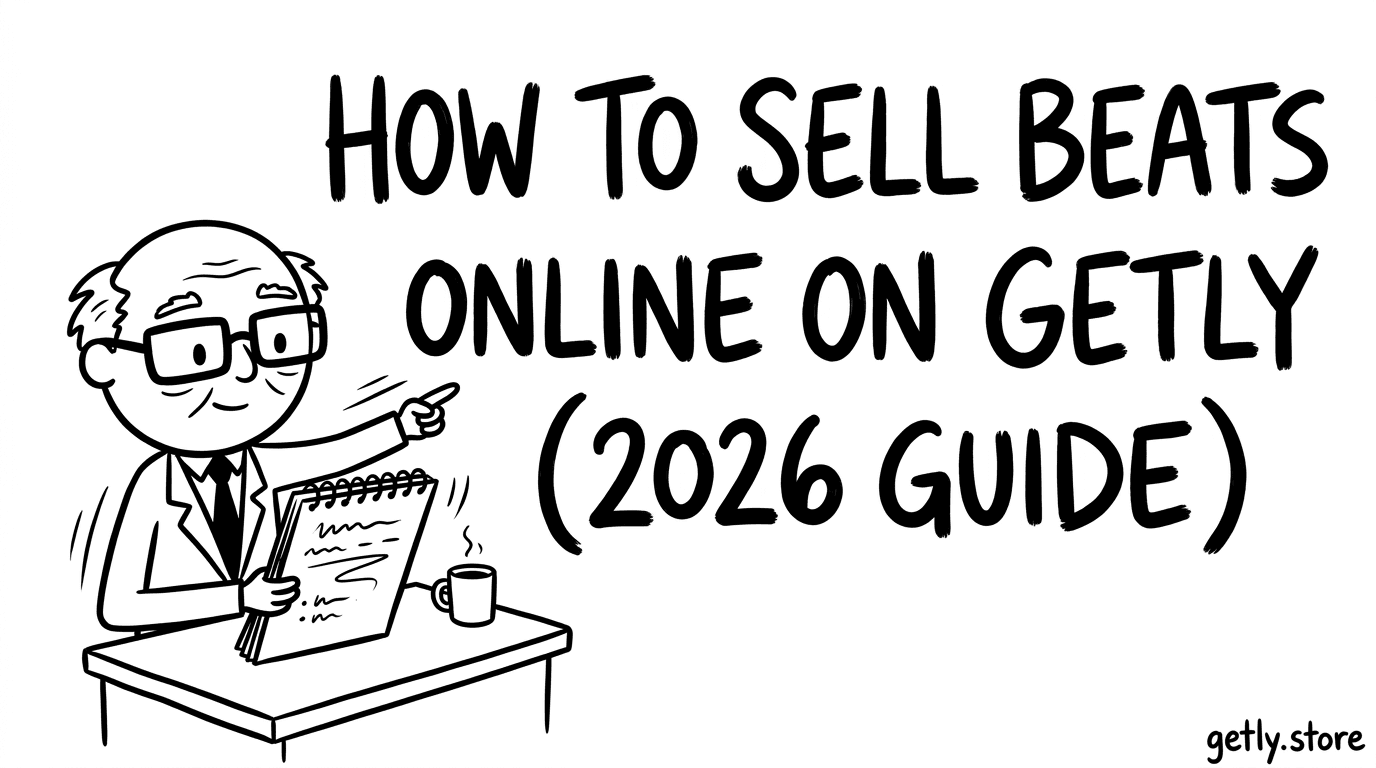
How to sell beats — a 2026 guide for creators. You will learn what beat buyers expect, how to package your files so downloads go smoothly, and how to price leases and exclusives without guessing. You will also get a practical tiering system you can copy for personal vs commercial licenses. Finally, you will map beats-specific marketing channels and explain how payouts work on Getly so you can plan your release schedule.
Who’s selling beats right now?
Most producers selling beats online on marketplaces like Getly run as solo creators or small teams. They build catalogs one session at a time, upload beats, set license tiers, and respond to buyers through in-platform messaging when questions come up.
Some beat sellers operate like a side project. They focus on one niche sound (trap, drill, lofi, afrobeat, cinematic) and publish consistently. Others run an agency-style workflow, where one producer makes beats, another handles cover art and documentation, and they co-author releases when needed.
If you want predictable beats creator income, treat selling like a system: repeatable production, repeatable packaging, and repeatable listing templates. The producers who keep output consistent usually do the best job turning listeners into buyers.
What buyers expect
Beat buyers expect clean, usable audio and a license they can understand. They usually want to download quickly after purchase, then open the beat files without hunting for session info or asking for clarifications.
They also expect clear documentation. You should explain BPM, key (if you know it), stems availability, and exactly what each license tier permits. If you include release notes and versions, buyers waste less time and you get fewer messages.
- Downloadable beat files immediately after purchase
- Accurate file labeling (beat name, version, stem vs no-stem)
- A README that explains usage and any included materials
- A license file or clear license text per product tier
- Reasonable support expectations via in-platform messaging
Pricing playbook
Beat marketplaces usually work best when you offer two main value lanes: leases and exclusives. A realistic starting point for leases often lands around $20-60, and exclusives often sit around $200-2000 depending on your market and demand.
Build a simple tier stack you can repeat across every beat: an intro tier for smaller use, a mid tier for common commercial use, and a premium tier for higher usage rights. Then attach license tiers (for example, personal vs commercial) to the same beat so buyers can choose the right permission level without contacting you.
Use bundling when you have families of related beats (same drum kit, same artist pack, same tempo set). Bundles help buyers who want more than one track, and they help you move consistent inventory without changing your sound.
Packaging your beats
Beat sales move faster when your product page matches what buyers download. Package every listing like you expect a rushed artist to open the files from a phone and start working immediately.
- Deliver standard audio formats in your files (commonly WAV and MP3)
- Name files clearly by beat + version (ex: “BeatName_Inst_v2”)
- Add preview assets that show the beat cleanly before purchase
- Include a README with BPM, key (if known), and what the files contain
- Ship a license file or license text that matches your tier setup
- Write version notes so buyers understand what changed between v1 and v2
- If you offer stems, include them in a consistent folder structure
Marketing channels that actually work
For beats, you win by showing output, not explaining strategy. Post your best 10 to 30 seconds frequently, then point people to one consistent place to buy.
Use the channels where music producers and rappers already browse. Typical places include beats and producer subreddits, Twitter or X producer circles, beat feedback Discord servers, and YouTube beat tutorial or beatmaking upload communities. When you post, show the beat in a “ready for vocals” format and keep the caption focused on what buyers get and how to license it.
Also keep a consistent upload rhythm. Your goal stays simple: build search and return traffic by publishing enough that buyers remember your sound and check your newest releases.
Why Getly?
Getly is a digital-goods marketplace where buyers purchase and download beat products. Sellers keep 80% revenue by default, and new stores get a higher 90% split for the first 90 days after the store is created.
If you want payout flexibility, you can receive earnings via Stripe Connect (fiat) or via crypto stablecoin payouts (USDT or USDC) using NOWPayments mass payouts. Getly follows a set payout schedule on the 1st and 15th of each month, and both payment methods use that same timing.
Next step: build a beat listing template you can reuse. Price your leases around $20-60, set an exclusive option in the $200-2000 range, package your files with a README and license tier clarity, then publish consistently so buyers can binge your catalog.