 Getly
Getly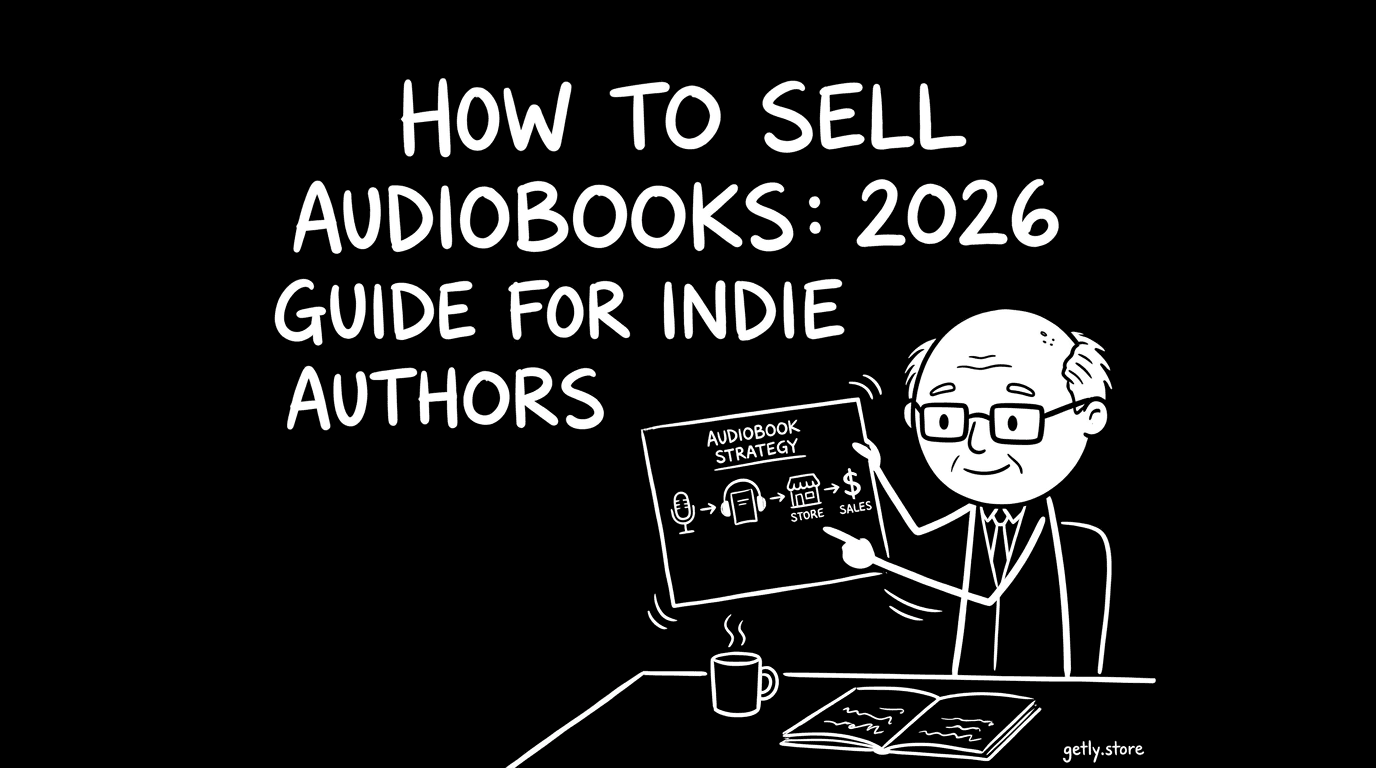
How to sell audiobooks — a 2026 guide for creators. You will learn how audiobook buyers judge quality, what files and documentation you should provide, and how to package your releases so downloads feel “ready to use.” You will also get a practical pricing model for single audiobooks and series bundles, plus license-tier ideas for personal and commercial use. Finally, you will see how to market audiobooks in the places listeners actually hang out, and how Getly handles payouts if you live in regions where card processors restrict creators. Let’s set up your first sale without guesswork.
Who's selling audiobooks right now?
Most audiobook sellers on indie-first catalogs start as a solo author who records, edits, and produces the final audio themselves. This profile often mixes direct storytelling with practical production skills, then turns one title into a sequence by using consistent cover art and chapter formatting.
Another common group includes small teams. You might have one narrator, one editor, and one person who handles the listing page, metadata, and license tiers. You do not need a studio to sell digital audiobooks, but you do need consistency across each release.
Side-project creators also sell audiobooks. They might launch a short series, publish in seasons, and expand by bundling related volumes once they have enough catalog depth to keep buyers coming back.
What buyers expect
Audiobook buyers typically expect clean audio, stable chapter navigation, and files that play reliably on common devices. They also expect accurate product details that match what they downloaded, especially chapter order, narration style, and runtime claims if you include them.
Buyers also judge professionalism through your documentation. You do not need to write a book-length manual, but you should include enough info that a buyer can use the files immediately and understand what they can do with them under your license.
- High-quality audio with no obvious dropouts, harsh clipping, or silence gaps between chapters.
- Clear chapter structure and consistent file naming.
- Documentation that explains what they receive and how to use it.
- License clarity (personal vs commercial, or whatever tiers you offer).
- Responsive communication if someone reports a playback or access problem.
Pricing playbook
Indie audiobook pricing often follows a simple structure: single audiobooks land around $5-20, while series bundles land around $25-50. That range gives you room to test premium narration or higher production polish without pricing yourself out of the first-time buyer segment.
Build a tiered catalog to match how listeners shop. Use an intro tier for the first volume, a mid tier for the middle of the series, and a premium tier for either longer books or editions with extra value like narrator revisions or bonus content. Then bundle the series once you have multiple volumes, so buyers who finish the first book have an obvious next step.
Apply license tiers carefully. Offer personal use and commercial use options as separate products or license tiers per product listing, then make your “commercial” terms explicit in your documentation so buyers do not misunderstand what they can reproduce or distribute.
Packaging your audiobooks
Audiobook packaging decides whether a buyer feels confident downloading and playing your files. You should treat your listing like a small handoff from you to the listener: files, organization, and license info all included.
Use the checklist below as your release workflow.
- One folder (or archive) per audiobook or per bundle, with consistent file names.
- Chapter-by-chapter organization so listeners can jump tracks.
- README file that lists what’s inside, how chapters map, and any playback notes.
- License document or a clear license file included with the download, matching your listing terms.
- Version notes when you publish updates so buyers can identify what changed.
- Preview assets that let buyers confirm tone and narration before purchase.
Marketing channels that actually work
Audiobook listeners often follow release recommendations through book communities and creator workflows, not generic “audio” pages. You will get faster traction if you pick channels that already discuss audiobooks, chapter content, and narrator craft.
Try this mix for indie audiobook launches:
- Subreddits for audiobooks and storytelling. Post release notes with a short sample clip and a clear hook about narration and chapter structure.
- Twitter/X threads focused on audiobooks and narration. Share production breakdowns, chapter pacing tips, and “what I learned making this volume” posts.
- YouTube creator content. Publish short walkthroughs about audiobook production, editing workflows, and how you format chapters for listeners.
- Discord servers tied to reading, audiobooks, and indie publishing. Offer listening samples, ask for feedback on pacing, and share launch milestones.
- Direct outreach to niche audio reviewers and book bloggers who cover serialized series. Give them a sample and a one-paragraph summary aligned with what their audience expects.
Why Getly?
Getly is an audiobooks marketplace built for digital goods, and sellers keep a strong share of each sale. The default split gives you 80%, and new stores get a higher 90% during their first 90 days after creation.
Getly also pays creators in USDT or USDC stablecoins. If you want crypto stablecoin payouts, Getly routes payments via NOWPayments Mass Payouts, and you only set your wallet address and network in your settings. That approach can matter for audiobooks creator income when card-based payouts get blocked in your region.
Getly also supports credit and debit cards via Stripe Checkout for buyers, while your payout method stays under your control.
Start with one audiobook listing that includes organized chapters, a preview asset, and a short README plus a license note. Price the single in the $5-20 range, then plan a series bundle once you have enough volumes to justify a $25-50 bundle. Market your first release in audiobook-specific communities, and track what brought the first sale. When you set up your Getly store, choose the payout method that matches your situation so you get paid on schedule.