 Getly
Getly
“WooCommerce themes free” sounds like a quick shortcut, but in 2026 the smart move looks different. You grab a solid starting template, upgrade it for real store needs, and then sell WordPress themes that match how buyers shop today: faster, clearer, and easier to launch.
This guide gives you nine strong template directions you can build on, plus a practical checklist for turning free WordPress themes into sale-ready products.
TL;DR: WooCommerce themes free in 2026
- Free WooCommerce themes work best as a base, not as a final product. You sell outcomes: speed, layout clarity, and category-to-cart flow.
- Pick Elementor templates if you want fast customization and repeatable layouts for niche stores.
- Build trust signals, product page structure, and mobile-first spacing. Buyers pay for reduced “setup pain.”
- Use a licensing plan and communicate terms clearly in your listing. One product, one license.
- Bundle related sections (header, category grid, product highlights, cart/checkout styling) to increase perceived value.
What is WooCommerce themes free in 2026?
“WooCommerce themes free” usually means you can download a base theme or starter template at no cost, then customize it for your store. In 2026, that base matters less than what you add on top: store UX, conversion-friendly layout, and niche-ready content structure.
When you plan to sell WordPress themes, treat free options as your research budget. You use them to validate what sections shoppers expect, how your target niche wants product grids, and which page templates reduce launch time.
What “free” should cover in your workflow
Start with a free theme or starter template that gives you working WooCommerce pages (shop, product, cart, checkout). Then focus on repeatable design patterns you can package.
- Core WooCommerce templates: shop loop, product page layout, cart and checkout spacing.
- Typography and color system that works for commerce (readable, consistent, not theme-default).
- Header and navigation that supports category browsing, not just links.
- Mobile-first spacing that keeps add-to-cart and image zoom usable.
Position your product as a “launch kit”
Buyers rarely want “a theme.” They want a store that looks ready and sells without days of tinkering. A launch kit includes layout templates, style presets, and clear instructions for setup.
That framing makes it easier to sell WordPress themes even when shoppers start by searching for WooCommerce themes free.
Pro tip: Before you build anything sellable, map the pages your buyer will customize in the first hour. If your template speeds that up, you win. Bundle the styling for the pages they always touch: Home hero, category grid, product page, and checkout emphasis.
How to choose the best WordPress templates to sell
The best WordPress templates to sell feel specific to a store type. A generic “shop theme” gets compared to free options. A targeted template gets compared to paid launch time.
So you choose a direction based on how a buyer’s catalog looks and how their customers decide. A poster store needs gallery and detail emphasis. A digital downloads store needs clarity on licensing, delivery messaging, and refund expectations.
Use a niche-first template rubric
Score candidate designs using these criteria. The templates that score highest are the ones you can sell as “built for” rather than “just for WooCommerce.”
- Niche fit: Does the layout highlight product images and key info the niche cares about?
- Conversion structure: Do you place price, variant selection, and buy CTA where the eye lands?
- Customization speed: Can you deliver a repeatable style system with minimal edits?
- Mobile clarity: Can users add to cart without scrolling through tiny text?
- Content scaffolding: Do you include section patterns buyers can swap (reviews, featured items, bundles)?
- Maintainability: Can you update the template without breaking core WooCommerce flow?
Turn templates into sellable assets
Instead of selling a theme file and hoping buyers understand the rest, package what makes it usable: page layouts, style presets, and instructions.
That lets you compete with free WordPress themes while keeping your product different and easier to adopt.
Success pattern: Creators who sell WordPress themes usually ship “default pages” that look finished. Buyers can change the content and images, not rebuild the layout from scratch.
Best Elementor templates free: what actually sells
Elementor templates free resources help you learn structure quickly, but the market pays for a ready-to-use system. In practice, the best Elementor templates free translate into repeatable blocks you can style and package.
If you sell Elementor templates or theme kits, prioritize the blocks that solve store problems: product grid rhythm, sticky buy section behavior, and consistent spacing between media and details.
The “blocks” buyers search for
Even when buyers say they want a theme, they often want specific page sections. Package these as a cohesive set.
- Hero + featured products: One section that moves attention from brand to best sellers.
- Category grid: Clean cards, readable category titles, and clear hover behavior.
- Product details layout: Image gallery style plus a focused summary panel.
- Review and social proof strip: Trust row that fits beneath the main CTA.
- Bundle or “buy together” section: Helps cart size without extra plugins.
- FAQ accordion: Preempt objections and reduce support messages.
Customize for real store catalogs
Templates sell when they match the buyer’s catalog. A digital download shop wants fewer tall banners and more clarity. A physical product shop wants stronger image presentation and shipping messaging.
Build your template system around the catalog shape, not around generic demo pages.
Common mistake: Copy-pasting a free demo page and calling it “ready.” Buyers compare it to free WordPress themes and bounce. Replace demo content with structured sections and ensure WooCommerce elements look intentional.
9 best templates to sell WordPress themes in 2026
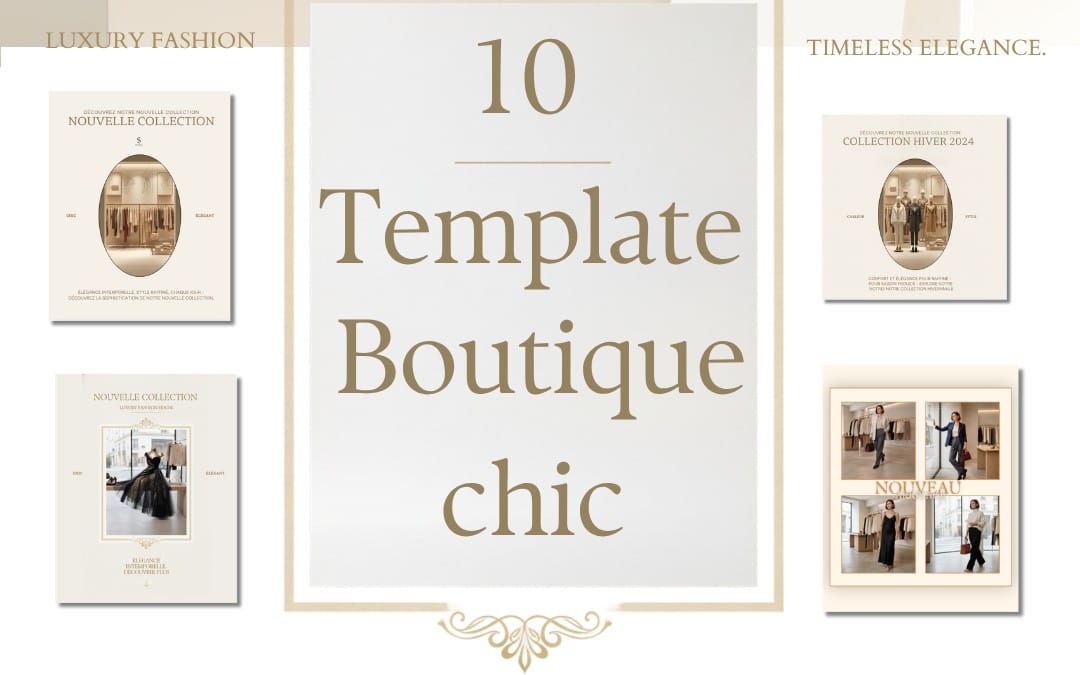
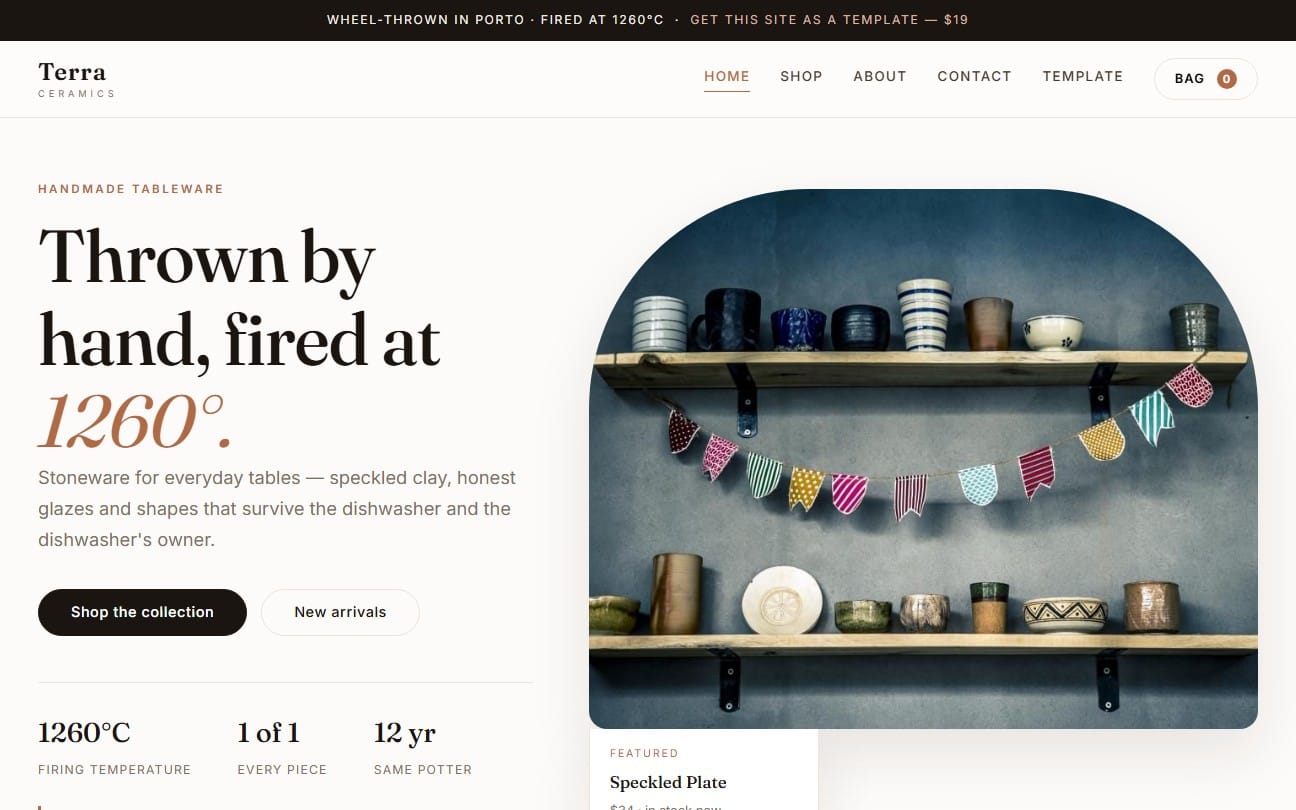
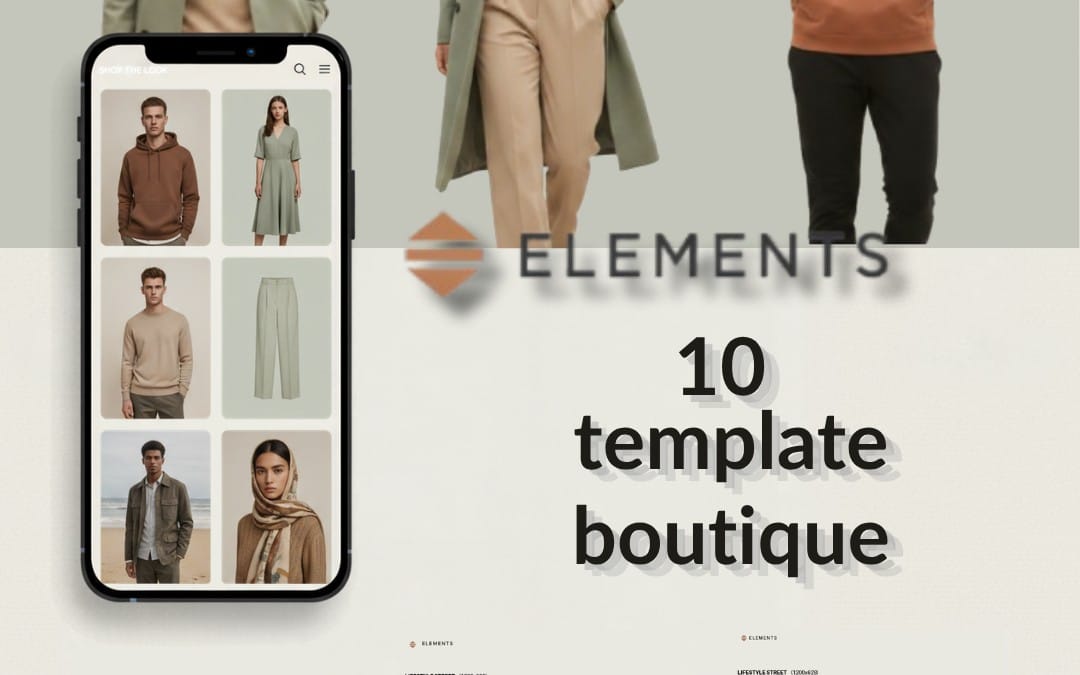
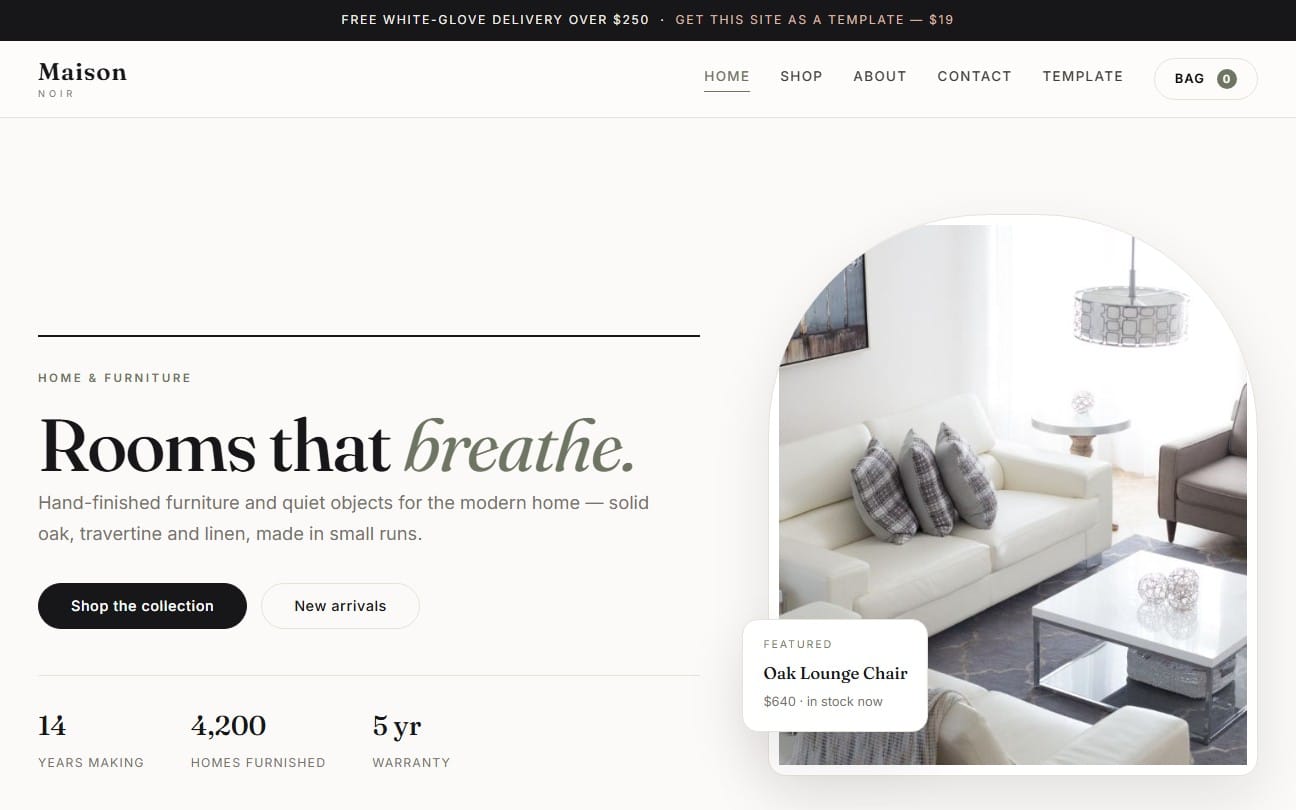
Below are nine template directions you can build into sellable WooCommerce theme kits or Elementor template packs. Each one targets a specific buyer decision: browsing faster, understanding details quicker, and checking out with fewer doubts.
Use these as product concepts. You can still start from WooCommerce themes free, but you end by delivering a differentiated launch system.
1) Anime poster shop layout
Anime and collectibles stores win with gallery-first design and detail-first product pages. Build a layout that makes large artwork feel crisp and keeps purchase CTA visible.
If you sell art-related products, you can align your theme kit with creative storefront patterns. For example, you can bundle a product-page gallery style and a “character poster” category grid to match collector expectations.
Jujutsu Kaisen – Ultimate Sorcerers Premium Anime Poster
2) Open-source developer sponsor storefront
Developer-facing stores need clarity: feature bullets, license/delivery expectations, and a simple buy flow. Create a template with an “About the sponsor” section and a product page that reads like documentation.
Turn this into a template pack for SaaS-ish digital goods: one hero for value, one “what you get” panel, and one trust section with update cadence messaging.
ToshLLM for Intel Macs: Open Source Development Sponsor
3) Arabic dance event product pages
For Arabic music, dance, and event products, design for culture-specific discovery: big cover art, clean titles, and clear “what’s included” blocks. Make the checkout page emphasize instant delivery and track clarity.
Build a layout that supports multiple releases (series, variations) with a clean grid and a strong album-like presentation.
4) Sound pack store template
Sound packs sell when customers can preview quickly and understand file content at a glance. Style your product page with waveform-friendly thumbnails, crisp metadata rows, and “compatibility” callouts.
Package a template kit that formats tracks, durations, and notes consistently. Then sell it as “sound pack-ready.”
5) Party and event audio collection
Event collections often need fewer clicks and clearer value. Create a homepage that highlights “ready-to-use” packs, plus a product page that organizes tracks in a scannable order.
Include section templates for “How to use,” “Best for,” and “What’s inside,” so buyers don’t hunt through descriptions.
6) Video post-production preset landing
Preset stores win with category clarity and consistent preview sections. Build a template that makes it easy to show before/after, supported software versions, and installation steps.
Sell it as an “editing preset landing kit” and include a section design that works for multiple preset categories.
7) Office license marketplace styling
License-heavy products require straightforward delivery messaging and trust-building layout. Use a template structure that clearly states device limits and delivery expectations.
Keep checkout calm and readable, then place a “delivery and activation” section near the buy button so buyers don’t fear uncertainty.
Office 365 Pro Plus Lifetime Account – 5 Devices + 5TB OneDrive
8) Digital downloads bundle theme
Bundles raise cart value, but only when the theme communicates bundling clearly. Build category grids that encourage “buy together” and create a product-page module that shows bundle components.
Package this as a reusable kit. Buyers love templates that reduce plugin dependency and keep the page fast.
9) Multilingual storefront-ready template
Template buyers often need multilingual structure. Design with flexible typography, clear spacing, and content blocks that handle right-to-left sections when needed.
Sell a “multilingual layout kit” that focuses on readability and consistent alignment. That makes your product stand out from WooCommerce themes free downloads that only work in one language style.
Pro tip: For each template you sell, include one page that demonstrates the full flow from browsing to checkout. Buyers trust templates that show the entire journey, not just the hero.
How to build a free template into a paid product
You can start from WooCommerce themes free or Elementor templates free, then make your product worth paying for. The difference comes from polish, structure, and buyer-focused defaults.
Think like a buyer: you want a template that reduces uncertainty. Your job is to remove steps, not just change colors.
Apply a “buyer pain” upgrade checklist
Upgrade your starter theme into a sale-ready kit by addressing the most common setup pain points.
- Product page hierarchy: Put title, variants, price, and CTA in a consistent reading order.
- Image and spacing rules: Decide how galleries behave and make thumbnails consistent.
- Typography system: Use a small set of font sizes for predictable scanning.
- Section templates: Create reusable blocks for FAQs, features, and included files.
- Mobile add-to-cart layout: Ensure buy controls stay reachable without awkward layout shifts.
- Documentation: Add a short setup guide. Buyers pay to avoid guessing.
Bundle for perceived value
Bundles create a reason to pay. A single theme file feels interchangeable. A kit with pages and sections feels complete.
Bundle your best templates: home, category grid, product layout, and checkout emphasis. Then sell that system as “one launch, not one theme.”
Licensing and listing clarity when you sell WordPress themes
When you sell WordPress themes, you need to communicate license terms clearly in your listing. Buyers use the license field to decide whether they can use your template in client work.
On Getly-style marketplaces, licensing information lives directly in the product details and travels with the listing metadata. That makes your terms machine-readable for shopping agents, but it also means you must be accurate.
Use one product, one license, clear wording
You do not sell “licence upgrades” per buyer. You set one license for the product. If someone needs different terms, you handle it via messaging, not by creating a hidden tier.
This approach protects both sides: buyers avoid surprises, and you avoid re-negotiation every time.
Write your description like a buyer checklist
Your listing description should reduce questions. Mention what the buyer gets, what pages it styles, and what setup steps exist.
For templates, include a quick bullet list of delivered sections and a “compatibility expectations” paragraph that sets boundaries.
- Choose templates based on niche browsing behavior, not generic demos.
- Use Elementor templates free to learn blocks, then package a finished launch kit.
- Sell clarity and speed: product page hierarchy, mobile buy controls, and reusable sections.
- Set one clear license per product and write the description like a setup checklist.
FAQ: WooCommerce themes free, Elementor templates free, selling themes
Are WooCommerce themes free good enough to sell?
Free themes can start your workflow, but buyers compare your final result to other free WordPress themes. You should add differentiation through page structure, conversion-focused defaults, and bundled layouts.
If you ship a polished kit with clear setup steps, buyers see it as a faster launch path, not a download replacement.
What are the best WordPress templates for a niche store?
The best WordPress templates target the way that niche shops. Gallery-first layouts work for posters and collectibles. Metadata-forward layouts work for sound packs, preset stores, and license-heavy digital products.
Pick one catalog behavior and design around it, then repeat that system across your pages.
Do Elementor templates free help beginners sell templates?
Yes, Elementor templates free help beginners learn layout rhythm and section composition. You still need to customize styles, replace demo content, and bundle the page set so buyers can launch without rebuilding.
The sellable part is the finished system, not the starting file.
How do I structure my product description when I sell WordPress themes?
Write your description as a buyer checklist: what pages you style, what sections you include, and what setup steps matter. Include notes about how customers should replace content and what to expect on mobile.
Clear listings reduce refunds and support messages.
What should I include in a template bundle?
Bundle the pages and modules that complete the store flow: home hero + featured products, category grid, product page details layout, and a checkout-focused CTA layout. Add at least one trust section like FAQ or included-items.
A bundle feels complete compared to a single theme download.
Free templates get you ideas and structure. Your edge in 2026 comes from turning that structure into a buyer-ready launch kit with clear defaults, mobile clarity, and a description that answers questions before they get asked.
If you want a simple next step, pick one of the nine template directions above, sketch the page set, and build a first “store flow” demo that you can sell.
Getly Sellers Team