 Getly
Getly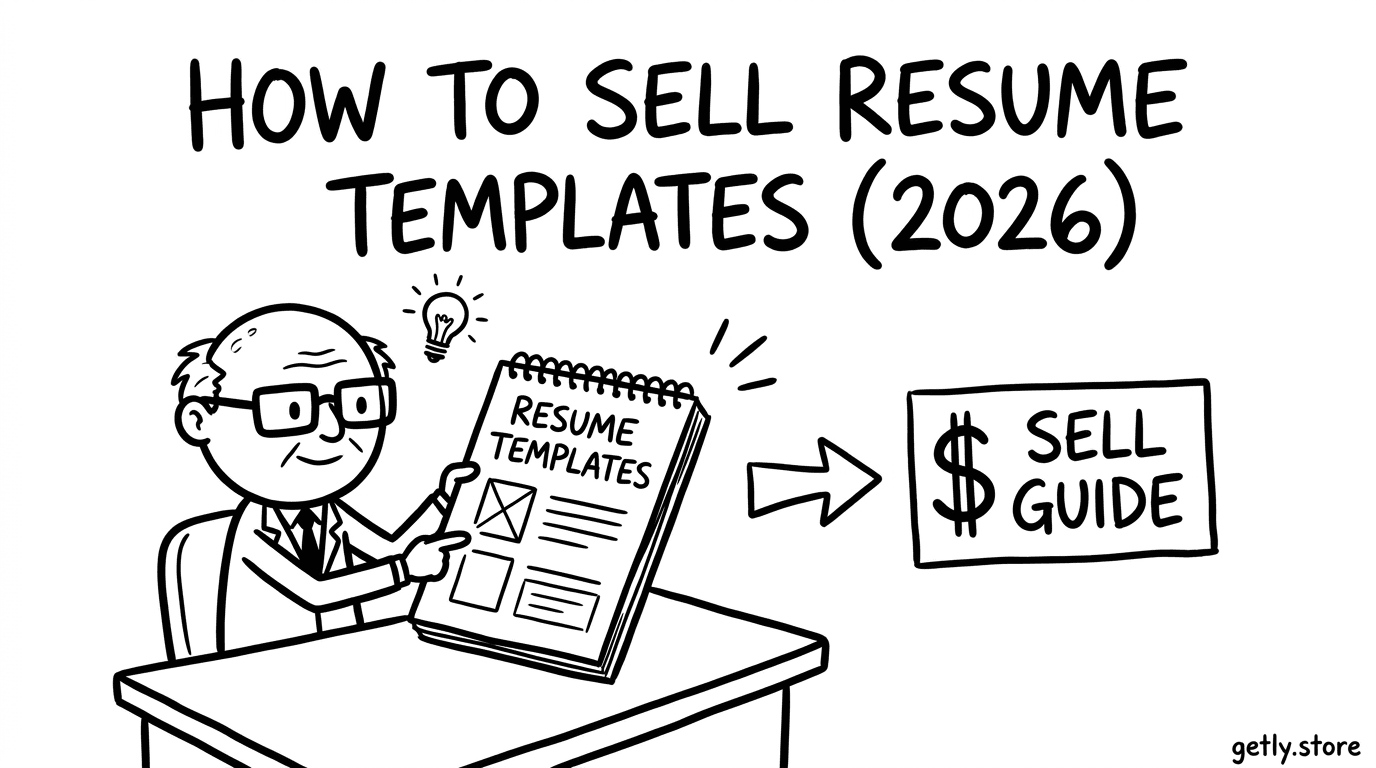
How to sell resume templates - a 2026 guide for creators. This walkthrough shows you how to package files buyers can trust, price templates that fit how job seekers actually shop, and set license tiers that reduce chargebacks. You will also learn where resume-template buyers hang out online and how to validate demand before you spend time polishing your next pack. Finally, it covers getting paid the Getly way, including stablecoin payouts for creators in regions where some platforms struggle with payouts. Use this guide to turn your design work into a repeatable digital product system, not a one-off upload.
Who's selling resume templates right now?
You will see solo creators who design resume layouts in Figma, Canva, or similar tools and then build template packs for specific roles. Many of them started by helping friends rewrite job histories, then realized they could formalize the structure into reusable formats.
Agencies and micro-teams also sell resume templates, usually when they productize their editing process. They often build bundles around job types (tech, healthcare, real estate) and include guidance so buyers can apply the structure fast.
Side-project creators follow a different path. They make templates for a niche they understand, like internships, federal jobs, or resume versions optimized for ATS. They then expand into bundles once their first templates get consistent downloads.
What buyers expect
Resume-template buyers expect clean, modern layouts that render consistently and look professional when they replace the text. They also expect multiple variations, because applicants rarely match one exact template style.
Buyers expect clear file delivery. Include the actual templates plus any supporting files they need to customize the content without breaking spacing or typography.
- Editable formats (so buyers can update sections quickly)
- Printable export versions (PDF previews help most buyers sanity-check formatting)
- Simple documentation that explains what each file includes
- License terms that match how buyers plan to use the resume (personal use vs commercial)
Pricing playbook
Start with a per-template price band of $5–25 per template and use bundles for the higher-value offers. Industry bundles typically sell in the $30–60 range because they remove decision fatigue for buyers who want a complete set for a specific job target.
Use tiering so buyers can self-select. Offer an intro tier (single template or a small set), a mid tier (multiple templates for the same style with role variations), and a premium tier (industry-specific packs). Then add license tiers inside each product, usually separating personal use from commercial use (for example, when a resume writer or coach reuses the template with client work).
Bundle like this to improve conversion. Group by job target and include a consistent set that covers the same visual system across versions, not random styles. Industry-specific resume packs often convert well on landing pages when buyers immediately see their target role and format options. A common benchmark for this niche sits around 8–12% conversion on landing pages for industry-specific packs.
Packaging your resume templates
Package your templates so buyers can install, edit, and export without hunting for what goes where. Your job is to reduce the “where do I click” friction.
- Editable template files in the format you support (include at least one format buyers can edit easily)
- Preview exports like PDFs so buyers can confirm spacing and visual hierarchy before they edit
- README or quick-start doc explaining how to replace sections and what files belong together
- License file that states allowed use based on your personal vs commercial license tier
- Version notes so you can update packs later without confusing buyers
- Consistent naming for sections (so buyers can swap content quickly across templates)
Marketing channels that actually work
For resume templates, buyers show up when you match their intent. Post outcomes, not design process. Share template previews, role-specific examples, and “before and after” section rewrites that help job seekers move faster.
Start with these channels where resume shoppers and career planners spend time:
- Reddit: /r/resumes, /r/careeradvice, /r/jobs (share role-specific packs and template screenshots)
- YouTube: resume review and job search tutorial videos (add your template pack as a resource in the description)
- X (Twitter): threads about ATS-friendly structure, bullet rewriting, and role-targeted resume tips
- Discord communities: career and job-search servers where members trade resume feedback and look for “usable now” templates
- Creator content: career coaches, resume editors, and template designers who already attract the exact buyer profile
If you sell industry packs, market the pack name like a promise. Buyers should instantly recognize the role and what they get inside.
Why Getly?
Getly is a digital-goods marketplace with an advantage for creators who need payout flexibility. Getly pays creators in USDT or USDC stablecoins (alongside Stripe fiat), which helps you reach buyers while avoiding payout limitations that exist on other platforms.
On Getly, sellers keep 80% revenue by default, and new stores get a 90% share for the first 90 days. You can choose Stripe Connect payouts (fiat) or crypto stablecoin payouts (USDT or USDC) on the same recurring schedule: the 1st and the 15th of each month at 03:00 UTC.
Next step: build one tight industry bundle that matches a specific job target, package it with editable files plus preview exports and a clear license note, and publish it with tiered pricing. Then promote role-targeted screenshots and quick “how to fill each section” posts in the communities where job seekers already ask for resume help. As soon as you get your first feedback, tighten the docs and bundle structure so buyers stop asking the same questions.