 Getly
Getly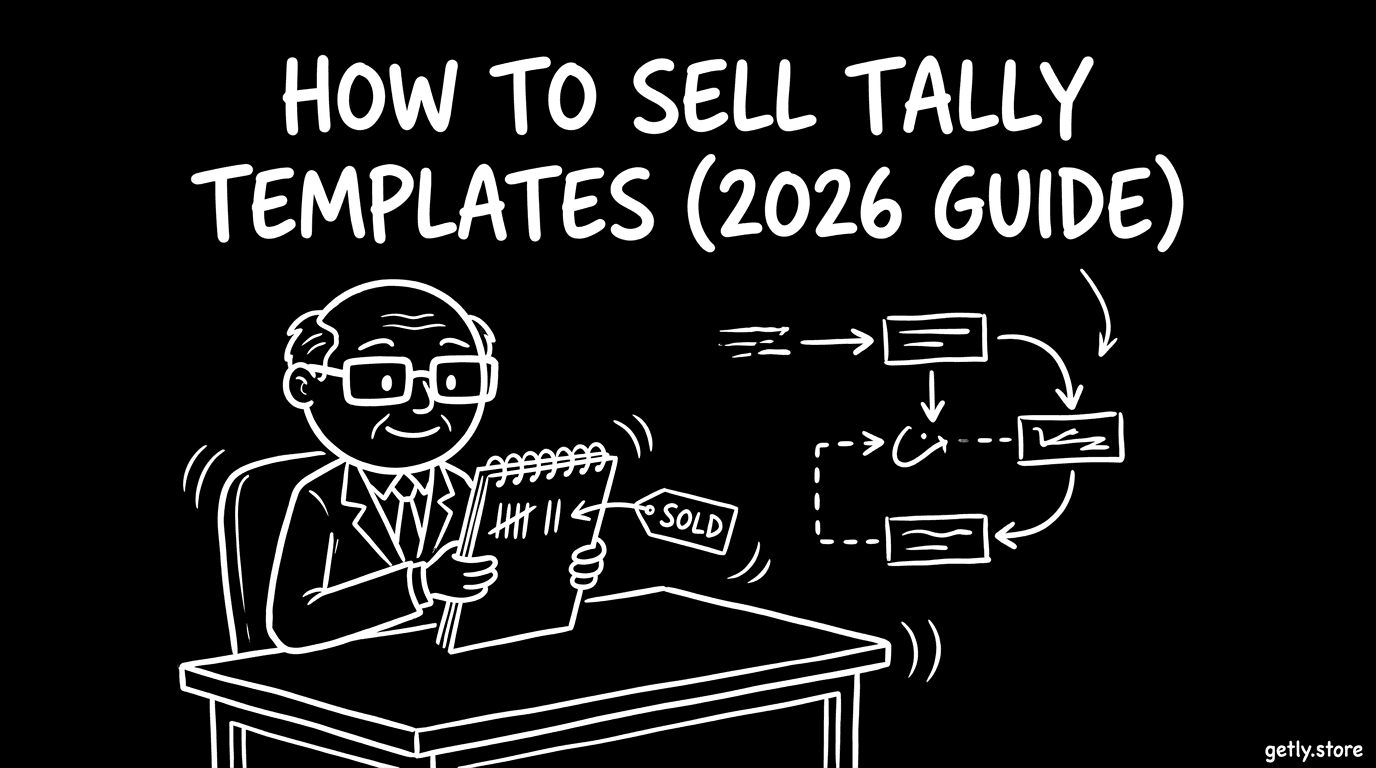
How to sell tally - a 2026 guide for creators. This guide shows you how to sell tally templates step-by-step, from choosing a buyer-focused template to packaging it so it’s easy to trust and use. You’ll get a practical pricing playbook (forms vs funnel kits), plus the exact assets and docs buyers expect. We’ll also cover where Tally buyers hang out so you can consistently get eyes on your templates-without guessing. Finally, you’ll learn how Getly payouts and selling tools help creators, including those who need crypto payout options.
Who's selling tally right now?
Most sellers are solo creators with a focused audience-newsletter writers, course creators, coaches, community managers, and indie marketers-who build Tally forms for a specific outcome (lead capture, onboarding, waitlists, consultations). They often don’t “design apps”; they solve repetitive form problems and publish the reusable parts.
Another common group is small agencies and VA teams that support multiple clients. They package best-performing form flows (e.g., quiz → segment → booking), then sell templates as a way to offload recurring setup work. If you’ve built forms for clients and can explain what makes them convert, you’re a strong match.
There are also side-project creators who start with a micro-niche lead magnet (e.g., “free audit form” for a particular profession). They iterate quickly, then turn that winning setup into a template bundle-especially effective when they keep the template narrowly tailored and easy to deploy.
What buyers expect
Buyers treat Tally templates like “plug-and-play”-they want forms that look clean, logic that doesn’t break, and copy that’s already written for their use case. Quality typically includes clear sections, sensible fields, correct branching, and mobile-friendly formatting.
Because these are digital goods, documentation matters. Buyers want a brief README that tells them what to edit (links, questions, branding, conditional logic) and what the template is optimized to collect.
- Clean form structure: section order, question wording, and any logic/branching that drives results.
- Clear inputs/outputs: what data the form collects and what they should do after submission.
- Documentation: a short README with “how to customize” steps.
- Support expectations: at least basic guidance for installation/customization in your product notes.
- Assets: example headers, button text, confirmation page text, or optional preview images.
Pricing playbook
If you’re selling tally templates, pricing usually depends on scope: a single form typically lands in the $5–30 range, while funnel kits (multiple connected steps) are often priced higher-commonly $40–80. A realistic approach is to price by how much work your template removes: fewer decisions and less logic = lower price; full flow + copy + logic = higher price.
Tier your catalog so different buyers can say “yes” without hunting. A common structure is: Intro (one form, narrow use case), Mid (one complete flow with branching or segmented outputs), and Premium (bundle + funnel kit or multiple variants). Buyers also respond well to bundling: group templates by outcome (e.g., “lead magnet capture,” “waitlist + onboarding,” “consultation intake”).
Finally, include license tiers (at minimum, separate personal vs commercial use) so buyers can pick what matches their business. If your template is intended for client work, explicitly label that in your license terms and README so there’s no confusion about what’s allowed.
Packaging your tally
Good packaging reduces buyer friction and refunds. Before publishing, make sure someone with zero context can install your template, customize it, and understand what to tweak for their audience.
- Template files/links: whatever format your Tally export/share process provides (ensure buyers can access and follow your steps).
- Preview assets: 1–3 screenshots (form page, key questions, confirmation/next step).
- README / setup doc: step-by-step customization (branding, links, questions, conditional logic).
- License terms: a simple license file or clearly written terms (personal vs commercial) aligned to your listing.
- Version notes: what changed and when (e.g., “v1.2 updated copy + added conditional question”).
- FAQ-lite guidance: “common edits” (button text, thank-you message, redirect behavior, segmentation).
Marketing channels that actually work
Tally buyers often search solutions tied to a specific outcome (waitlists, lead magnets, intake forms, quizzes) rather than “Tally” alone. Your job is to show the workflow and conversion logic in places where creators ask for templates and onboarding/lead-gen help.
Use channels like these:
- Reddit: post in subreddits focused on creators, email marketing, lead generation, and small-business growth-share a before/after example of the form and link to your template.
- X (Twitter): thread-style posts that break down “what to ask first” and “how to segment responses” perform well for micro-niche creators; include a screenshot of the form.
- Discord communities: join marketing/creator tool communities and share template teardown snippets (1–2 lessons, then offer the template as a resource).
- YouTube: tutorial videos for lead magnets, onboarding, and form funnels-end each video with “download the template kit” style CTAs.
- Creator blogs/newsletters: guest posts about “form copy that converts” and link to the template bundle after the tips.
Why Getly?
Getly keeps the economics creator-friendly: creators keep 80% of every sale (platform fee is 20%). That matters when you’re selling digital templates where margins depend on consistent conversion from listing to download.
Getly also supports Stripe Connect payouts plus crypto payouts (USDT/USDC on Tron, BSC, Polygon, Solana, Ethereum). If you’re outside Stripe-supported countries, crypto payouts can be critical to actually getting paid-so you can focus on shipping and marketing your tally templates. Plus, payouts run on the 1st and 15th of each month.
Next step: pick one micro-niche outcome, build a clean form (or small funnel kit), and package it with previews + a tight README. Price it within the $5–30 (form) or $40–80 (kit) ranges, then publish with a personal vs commercial license tier. After launch, market the template by showing the exact workflow in the communities where lead-gen creators ask for “ready-to-use” assets. Iterate from feedback and add variants to build a bundle.