 Getly
Getly
In 2026, shader packs and game asset bundles unlock fast, scalable visuals for indie studios and lone developers alike. The Getly marketplace makes it easier than ever to publish, price, and promote bundles that help buyers ship stunning games faster. If you’re ready to monetize your artistry and code, this guide highlights the top bundles to sell, pricing tactics that convert, and promotion ideas tailored for the creator economy.
Whether you’re a shader wizard or a 3D asset wizard, Getly’s 80% revenue share for creators means your work earns more when you publish thoughtfully, use multi-license options, and tap Getly Pro for unlimited downloads. You’ll also find powerful tools like AI-powered search, visual search, and affiliate marketing features that amplify visibility. Ready to dive in? You can browse Getly now, or start selling on Getly to get your bundles live in minutes. If you’re curious about monetization options, check out affiliate program and referral program to accelerate growth. For hands-on optimization, explore the developer hub and API to integrate Getly into your workflow.
Pro tip: Use Getly Pro (Getly Pro and Pro catalog) to unlock unlimited downloads for your best assets. This can dramatically shorten time-to-market for high-quality shader packs and bundles.
“ shader assets aren’t just art-they’re a language. The faster a buyer can preview, license, and deploy, the more likely they are to convert.”
Shader Packs 2026: Trends Shaping the Market
Warning: The fastest-growing shader packs combine high-fidelity PBR materials with lightweight performance, designed for both desktop and mobile. Don’t overpromise performance gains-benchmark and document limits clearly.
Key trends to watch in 2026 include cross-engine compatibility (Unity, Unreal, Godot), GPU-accelerated real-time rendering, and robust multi-licensing options that let buyers deploy assets across multiple projects without renegotiation.
Key tech trends to watch
In 2026, shader packs that ship with ready-to-use pipelines for popular engines-such as Unity HDRP/URP and Unreal Engine-are the most attractive. Buyers also crave physically-based rendering (PBR) materials, dynamic lighting, and advanced post-processing stacks that require minimal setup. When you publish, include engine-specific presets and sample scenes so buyers can preview results quickly.
Buyer expectations in shader markets
Buyers expect clear licensing, easy integration, and performance data. Include performance benchmarks, platform compatibility, and license examples in your product pages. Consider offering two or three license tiers: personal, studio, and enterprise, with clear usage boundaries to avoid disputes and refunds. For cross-sell opportunities, pair shader packs with related assets like environment textures or particle systems to boost average order value.
To explore real-world examples, you can explore related assets in the Scifi Weapon Shader Pack and other shader bundles as they update for 2026. And if you’re deciding on listing strategy, think about bundling shader packs with compatible assets like Realistic Water Shader Pack or Cityscape Asset Bundle to create compelling multi-solution offers.
Top 10 Shader & Game Asset Bundles to Sell on Getly in 2026
Below is a curated lineup of shader and asset bundles designed for 2026 buyers. Each item includes a practical selling angle, licensing notes, and suggested pricing. Where relevant, you’ll see inline product links to specific Getly pages to illustrate how buyers discover related assets.
- Sci‑Fi Weapon & Environment Shader Pack - High-detail metal, energy, and sci‑fi surfaces with HDRP/URP presets. Ideal for mid- to large-scale projects. Price target: $39–$89 depending on licensing. See product page: Sci‑Fi Weapon Shader Pack.
- Realistic Water & Wet Surface Shader Bundle - Real-time caustics, foam, and splash shaders with performance profiles for desktop and mobile. Price target: $29–$69. See product page: Realistic Water Shader Pack.
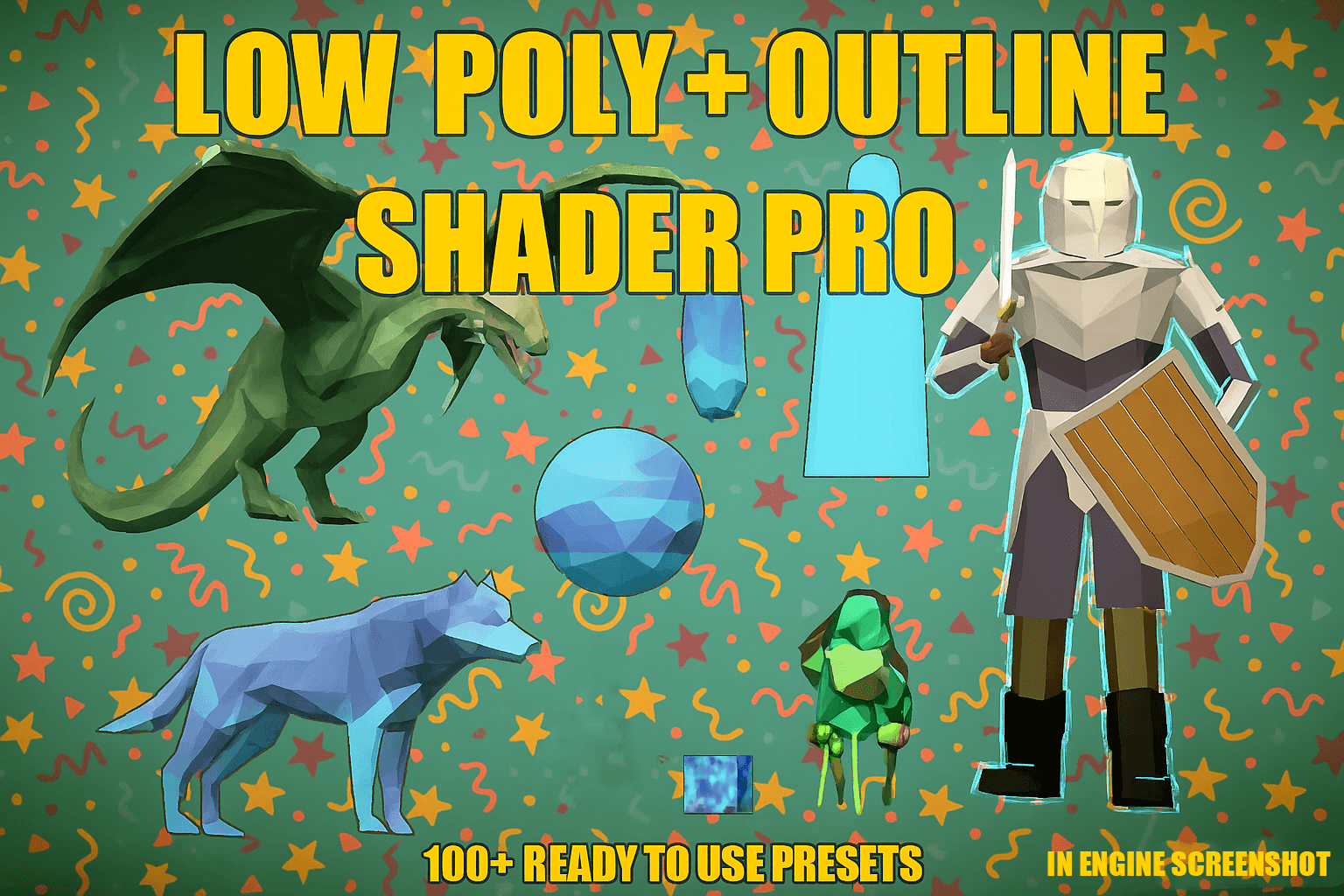
- Low-Poly Mobile Environment Bundle - Optimized textures, terrain shaders, and skydomes designed for mobile. Great cross-sell with a Low-Poly Mobile Environment Bundle asset set.
- Fantasy Epics: Ground, Glow, and Aura Shader Set - Stylized fantasy aesthetics with glow passes and post-process presets for quick art direction. License-friendly for indie studios; price: $25–$70.
- PBR Metal Shaders & Finishes - A comprehensive suite of metallic finishes, wear, and rust maps with crisp PBR textures. Link: PBR Metal Shaders.
- Post-Processing & Visual Effects Pack - Color grading, bloom, depth of field, and atmosphere effects that work across engines. Price: $35–$75. See: Post Processing Effects Pack.
- Hand-Painted Cartoon Shader Bundle - Toon-style shaders with ink outlines and gradient fills for stylized titles and games. Typical price: $20–$50. See: Hand-Painted Cartoon Shader.
- Sci‑Fi Glass & UI Shader Suite - Glass Transparency, refraction, and UI chrome shaders for futuristic interfaces. Price range: $28–$60. Product: Sci‑Fi Glass & UI Shader.
- Cityscape Asset Bundle with Shader Variants - Buildings, windows, nighttime lighting, and shader-driven reflections. Cross-offers with an asset pack: Cityscape Asset Bundle.
- Creature Animation + Shader Pack - Combines creature animations with surface shaders that react to motion, ideal for indie studios shipping quick prototypes. Explore: Creature Animation Shader Pack.
These bundles are designed to be marketed both individually and as part of a bundled offer. For example, pair Realistic Water Shader Pack with Post-Processing & Visual Effects Pack to create a “Visual Fidelity Boost” bundle that appeals to players aiming for cinematic presentation. You can also leverage compare products pages to show differences in licenses, asset counts, and performance metrics before buyers decide.
Success story: A creator combined the Sci‑Fi Weapon Shader Pack with the Sci‑Fi Glass & UI Shader Suite and published a limited-time bundle that boosted sales by 80% month-over-month for two quarters. The key was clear licensing and a striking preview reel.
Pricing Shader Packs 2026: Strategies for Maximum Revenue
Pricing in 2026 hinges on clear licensing, perceived value, and discoverability. Buyers in the indie space want predictable boundaries, transparent terms, and the flexibility to scale usage across multiple projects. Start with a core price and offer two or three add-ons such as an enterprise license or a bundled assets discount. This approach maintains value while encouraging larger carts.
Tiered licensing and usage clarity
Tiered licensing is essential. A basic personal license may cover a single project, while a studio license supports multiple titles and studios. Consider offering an enterprise license for bigger studios with multi-seat usage and priority support. Clear license summaries on product pages reduce support tickets and returns. For example, list usage rights, redistribution constraints, and modding allowances in plain language alongside a long-form license text that buyers can download as a PDF.
Dynamic bundles and price anchoring
Dynamic bundles adapt pricing by asset count or usage scope. A simple strategy is: (a) base shader pack price, (b) add-on for environment textures, (c) add-on for post-processing presets. Use price anchors by showing a “bundle value” that’s higher than the sum of individual items to justify the discount. A practical approach is to price a 3-item bundle at 20% less than buying each individually, and offer a 35% discount for a 5-item bundle. For instance, a combined offer with PBR Metal Shaders + Realistic Water Shader Pack + Post Processing Effects Pack could be placed as a ‘Visual Fidelity Bundle’ at a compelling price point.
When you set prices, factor in Getly’s 80% revenue share for creators. A strong bundle with a $60 list price might net around $48 per sale, depending on the license structure and any affiliate promotions. If you’re curious about how your margins stack up, use the compare products tool to benchmark against similar shader assets on Getly.
Pro tip: If you’re launching a new shader line, offer a time-limited landing page discount via the Getly affiliate ecosystem (affiliate program and browse affiliate products). Limited-time offers drive urgency and expand reach.
Promotion & Marketing: How to Sell Shaders Online 2026
Promotion in 2026 leans on discoverability, quality previews, and strategic partnerships. Use Getly’s visual search to help buyers discover similar assets, and consider launching targeted campaigns with creators in your niche. The affiliate and referral programs are powerful multipliers for traffic and credibility. Remember, buyers aren’t just purchasing a shader-they’re investing in a quick path to a finished product.
Maximizing visibility with Getly tools
Take advantage of AI-powered search and visual search to improve asset discoverability. Create high-quality demo scenes or short gameplay clips that clearly show the shader’s impact under different lighting and environments. You can also publish a short blog post or tutorial in your developer hub to help buyers understand practical use cases and integration steps. Don’t forget to link to related assets like Realistic Water Shader Pack and Sci‑Fi Glass & UI Shader to boost cross-sell potential.
Common mistake: Pricing too aggressively without solid license terms or without previews. Buyers often back off when they suspect hidden restrictions or poor performance data. Always pair pricing with concrete demos and licensing transparency.
Affiliate and referrals: reach beyond your audience
Join the affiliate program to reach new developers, and encourage existing buyers to share with the referral program. You can direct potential customers to your shader bundles via affiliate links and the browse affiliate products page to identify complementary assets to promote together.
For hands-on growth, highlight bundles that pair well with engine-specific assets. For instance, a shader set that works cleanly with Unreal and Unity can be pitched to a broader market, increasing the odds of long-tail sales. Seeing real numbers helps too: sharing a few case studies or performance metrics can convert hesitant buyers into repeat customers.
Operational Essentials: Licensing, DMCA, and Payments
Operational best practices keep your Getly storefront smooth and trustworthy. Licensing clarity, automated DMCA protection, and flexible payment options are core to a good buyer experience. Getly supports card and crypto payments (USDT/USDC on Tron, BSC, Polygon, Solana, Ethereum), which broadens your potential audience. Inline licensing terms help prevent disputes, while multi-currency display and auto-generated invoices simplify accounting for buyers and sellers alike.
Important note: When you publish bundles, configure auto-generated invoices and a clear licensing matrix. This reduces support tickets and increases buyer confidence at checkout.
Licensing options you should offer
Offer at least three license tiers: Personal/Single-Project, Studio/Multi-Project, and Enterprise/Commercial. Include explicit usage allowances, redistribution rights (if any), and resale restrictions. Place the license terms in a dedicated section on each product page and provide a downloadable PDF for buyers who want to review the contract before purchase. This clarity is particularly important for shader packs used across multiple scenes or games.
Payments, currencies, and invoice automation
With multi-currency display and crypto payments, you can reach global buyers. Consider adding a short onboarding note on how crypto payments are processed and how refunds are handled in those cases. The Getly system can generate invoices automatically, streamlining accounting for you and your buyers. For store-wide efficiency, align pricing with your licensing structure and the currencies you advertise in your storefront.
Getting Started on Getly: Steps to Publish and Promote
Getting your shader packs and asset bundles live on Getly is straightforward, but success comes from a repeatable process: plan, publish, promote, and optimize. Use the steps below to compile a high-converting catalog and build momentum over the first 90 days.
Prepare assets and create a compelling demo
Before publishing, ensure assets are well-documented, with engine presets, sample scenes, and performance data. Create a short trailer or GIF showing the assets in action within a game scene. Include a few sample screenshots and a live performance snapshot to help buyers evaluate quality quickly. For inspiration, review similar bundles like Hand-Painted Cartoon Shader and Realistic Water Shader Pack to see how others present results.
Publish with clear licensing and pricing
Establish your license tiers and price points before listing. Use a combination of fixed prices and bundles to maximize discoverability. Add a short description that emphasizes practical benefits (faster pipeline, higher visual fidelity, cross-engine compatibility). Include engine presets for Unity, Unreal, and other engines to make adoption easier for buyers who use multiple tools. If you want to expand reach, link to the compare products page to help buyers decide which bundle fits their project best.
Promote and measure impact
Promotion is an ongoing effort. Create a release plan that includes preview videos, blog tutorials, and collaboration with a few select creators. Use the affiliate program and referral program to amplify your reach, while leveraging the visual search and AI-driven features to surface your bundles to relevant buyers. Track performance with simple KPIs: daily sales, bundle conversion rate, and average order value. If a bundle underperforms, adjust pricing, add a new licensing option, or pair it with a complementary asset like Cityscape Asset Bundle to boost appeal.
To start, you can free this week on Getly if you want to test the waters with a small starter pack. When you’re ready to scale, consider upgrading to Getly Pro for unlimited downloads and access to the full catalog via Pro catalog.
Common misstep: Uploading low-quality previews or failing to clearly state usage rights. Buyers will skip if they can’t quickly tell if a shader pack supports their engine version or licensing needs.
- Focus on shader packs 2026 with engine-ready presets and clear licenses.
- Price with tiered licenses and cross-sell assets to boost order value.
- Leverage Getly tools (visual search, AI search) and affiliate channels to maximize discovery.
“The fastest way to win on Getly is to publish bundles that solve real project bottlenecks: fast setup, predictable licensing, and strong previews.”
Ready to explore more bundles and start selling? Browse the catalog to see existing successful assets and learn from those patterns: browse Getly. If you’re ready to publish, start selling on Getly today and tap into the growing market for shader packs and game asset bundles. You can also look at the marketplace requests to see what buyers are hunting for next, or explore integration options in the developer hub.