 Getly
Getly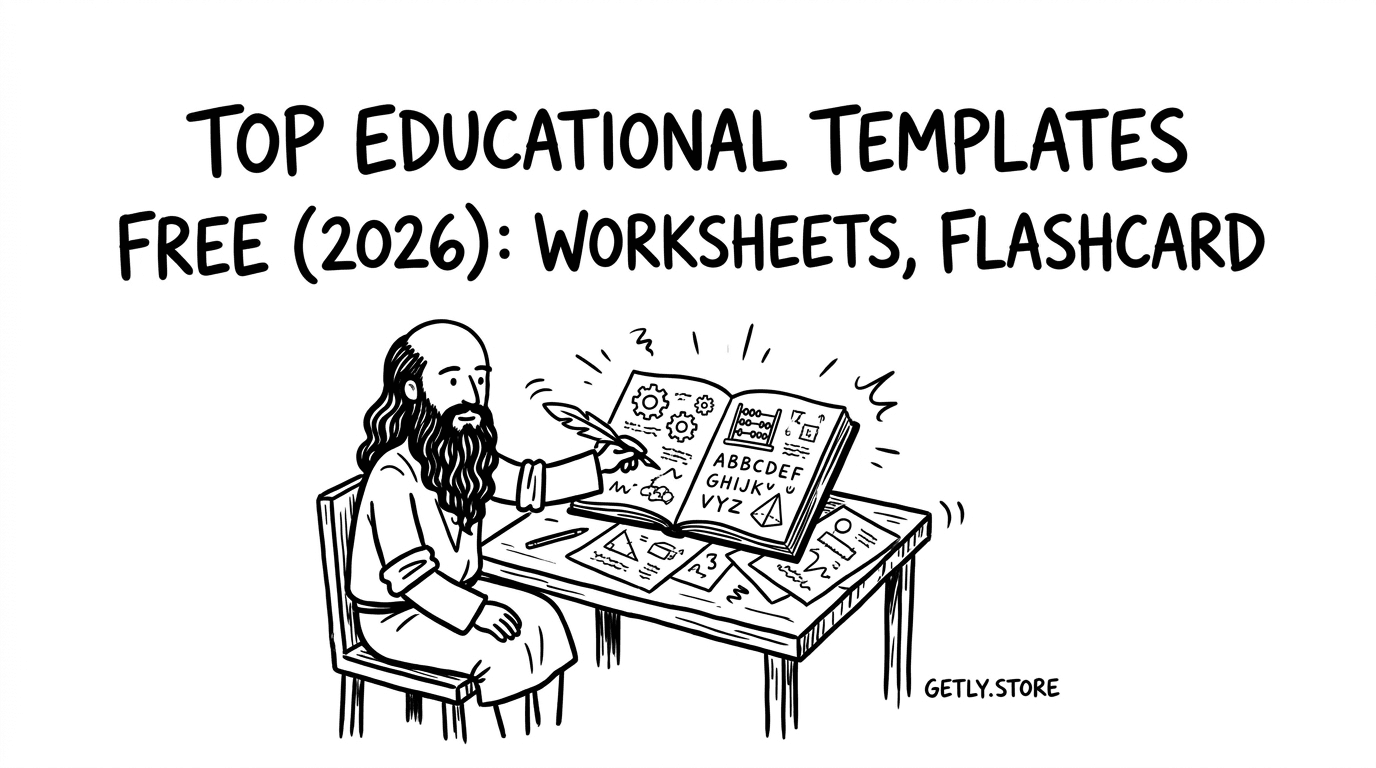
Хороший урок - это не только знания, но и структура: листы с заданиями, карточки для повторения, сертификаты за достижения. В 2026 году «educational templates free» - самый быстрый способ собрать материалы без лишней рутины. Ниже - конкретные шаблонные форматы (и как их адаптировать под ваш предмет), чтобы вы уверенно планировали занятия и оценивание.
- Шаблон - это система: цель → задание → критерии → обратная связь, а не просто картинка.
- Лучшие teacher worksheet templates встраиваются в ваш учебный план и повторяются по схожим структурам.
- Lesson plan template помогает планировать дифференциацию: базовый, расширенный, поддержка.
- Certificate template free работает только при ясных критериях и “следе доказательств” (что именно ученик сделал).
- Если вы хотите sell educational resources, упаковка и лицензирование важнее «самого файла».
Что такое educational templates free и почему они работают?
Educational templates free - это бесплатные макеты образовательных материалов, которые можно использовать на уроках: рабочие листы, карточки, сертификаты, планы занятий. Секрет их эффективности не в “бесплатности”, а в повторяемой структуре: ученикам легче учиться, когда формат предсказуем.
В 2026 году педагогам особенно выгодны шаблоны, потому что классы и форматы обучения меняются быстрее: проекты, смешанное обучение, короткие контрольные, интерактивные задания в течение урока. Хороший шаблон экономит время на рутину и помогает держать единые критерии оценки.
Какие шаблоны дают максимум отдачи в классе
Чаще всего учителя начинают с трех типов: worksheet (для отработки навыка), flashcards (для запоминания и повторения), certificate (для мотивации). Эти форматы легко тиражировать и адаптировать под разные уровни.
Чтобы шаблон действительно “заходил”, он должен соответствовать цели. Например, для понимания - задания на объяснение и примеры, для навыка - тренировка с постепенным усложнением, для закрепления - короткие циклы повторения и самопроверки.
Как избежать “шаблонной” пустоты
Главная ошибка - брать готовый материал и оставлять его без адаптации под вашу группу. Если вы не меняете контекст (тема, уровень, критерии), ученики считывают: “это просто распечатка”.
Правильный подход: адаптируйте 20% содержимого (термины, примеры, формулировки), а 80% структуры оставляйте - так вы получите и экономию времени, и качество.
Pro tip: создайте “базовую матрицу урока” из 5 блоков (цель, входной вопрос, основное задание, проверка, рефлексия) и используйте один и тот же lesson plan template. Тогда даже разные темы будут выглядеть цельно.
Как выбрать teacher worksheet templates под ваш уровень?
Лучшие teacher worksheet templates для 2026 года - те, которые поддерживают дифференциацию и измеримость результата. Это шаблоны, где задания разделены по сложности, а внизу есть место для проверки/самопроверки и краткого вывода.
Перед скачиванием оцените: есть ли в шаблоне критерии, поле для ответа, зона для подсказки и место для отметок. Это особенно важно, если вы планируете использовать worksheets не только в классе, но и для домашней работы или самостоятельной практики.
Чек-лист качества рабочего листа
- Цель в начале: формулировка “ученик сможет…” в 1–2 строки.
- 3 уровня заданий: базовый (минимум), расширенный (применение), поддержка (шпаргалка/подсказка).
- Ключевые термины: в виде списка или “банка слов”.
- Формат ответов: не только “впиши”, но и “обведи/соедини/выбери/объясни”.
- Самопроверка: QR/ссылка не обязательны - достаточно таблицы “правильно/надо исправить”.
- Время: задания разбиты по минутам или объему.
- Место для рефлексии: “что было легко/сложно”.
Примеры структуры teacher worksheet templates (готовые форматы)
Вот три практичных шаблонных формата, которые легко адаптировать под любой предмет - от математики до языка:
- Рабочий лист “Понял → Применил → Объяснил”: 1 страница, где ученики сначала демонстрируют базовое понимание, затем решают задачу “из жизни”, и в конце пишут 2–3 предложения с объяснением.
- Лист “Ошибка как подсказка”: 4 типовых ошибки + место для исправления (ученики отмечают, что именно неверно).
- Мини-лаборатория (для естественных дисциплин): наблюдение → гипотеза → запись результата → вывод.
Важно: не подменяйте оценивание количеством заданий. Лучше 8–12 хорошо структурированных вопросов, чем 25 “на скорость”, где ученики случайно угадывают. Шаблон должен помогать учителю видеть прогресс.
Как использовать lesson plan template, чтобы урок шёл ровно?
Lesson plan template - это план урока в повторяемом формате, где вы заранее задаете темп, этапы и способы проверки. В 2026 году это особенно полезно для смешанного обучения: когда часть учеников работает в тишине, часть - в обсуждении, а часть - с поддержкой.
Сильный шаблон плана урока содержит не только “что пройти”, но и “как проверить”, “как поддержать” и “как завершить”. Это снижает хаос и помогает удерживать темп - даже при групповой работе.
Скелет lesson plan template на 45–60 минут
Используйте один и тот же шаблон, меняя только содержимое этапов. Пример:
- Вход/разогрев (5–7 мин): короткий вопрос или мини-тест (3 варианта).
- Цель и модель (5 мин): “как выглядит правильный ответ” на одном примере.
- Основная практика (15–20 мин): рабочий лист + дифференциация (A/B/поддержка).
- Проверка и обратная связь (10 мин): быстрая самопроверка или “проверка по критериям”.
- Закрепление (5–8 мин): мини-карточка/вопрос-вывод.
- Рефлексия (3–5 мин): 1 вопрос: “что улучшить в следующем уроке?”.
Для уроков на 30–35 минут сократите этапы практики и проверки: пусть будет больше коротких циклов повторения, чем один большой “кусок”.
Как добавить дифференциацию без усложнения
Вместо “делать три разных урока” закладывайте в шаблон одну идею: разные входы к одному результату. Например, для одной и той же темы ученикам предлагаются варианты заданий: базовый - заполнить пропуски, продвинутый - решить задачу с условием, поддержка - получить подсказку-скрипт.
Если вы используете worksheets, дайте ученикам одинаковую структуру ответа, чтобы проверка занимала меньше времени.
Tip: сделайте одну “карту критериев” (1 колонка - критерий, 2 колонка - отметка “да/частично/нужно повторить”). В 2026 это работает и на бумаге, и в электронных формах.
Какие flashcards ускоряют запоминание и повторение?
Flashcards (карточки) ускоряют запоминание, потому что в них минимизирован “лишний текст”: ученик получает короткую подсказку и отвечает. В 2026 году лучший формат - не просто “вопрос-ответ”, а карточки, которые поддерживают интервальное повторение и самопроверку.
Важно: качество карточек зависит от того, как сформулирован ответ. Если ответ расплывчатый (“понимать тему”), повторение не помогает. Если ответ проверяемый (“назовите 3 признака…”), прогресс становится видимым.
Лучшие типы карточек для разных задач
- Термин → определение (идеально для языка, истории, биологии).
- Симптом/признак → причина (естественные науки, медицина на базовом уровне).
- Факт → контекст (“когда/где это применяют”).
- Правило → мини-пример (грамматика, математика, физика).
- Задача → шаги решения (для алгоритмов).
Как собрать flashcards из урока за 20 минут
- Выберите 10–15 ключевых единиц (термины, правила, форматы задач).
- Сформулируйте ответы так, чтобы их можно было проверить за 10–20 секунд.
- Для сложных тем добавьте “карточку-переход”: вопрос к памяти (“в каком порядке шаги?”).
- Сделайте 2–3 карточки-ловушки (частые ошибки) - ученики любят этот формат, если он подан честно.
Этот подход особенно полезен при подготовке к контрольным: вы превращаете материал уроков в набор “быстрых побед”.
Частая ошибка: делать карточки слишком длинными. Если на одной стороне помещается абзац, карточка превращается в микролекцию и теряет эффект повторения.
Как создать certificate template free, который реально мотивирует?
Сертификат - это не просто награда “за старания”. certificate template free работает, когда он связан с конкретным достижением и критериями, которые ученики понимают. В 2026 мотивация лучше всего работает через видимость прогресса: что именно вы сделали и чему научились.
Если у вас много учеников, сертификаты должны быть быстро заполняемыми: поля “ФИО”, “дата”, “достижение”, “критерий” и короткая формулировка результата. Тогда вы сможете вручать их системно, а не разово “к празднику”.
Модель сертификата: критерий → доказательство → формулировка
Используйте простую схему:
- Критерий: например, “выполнено без подсказок 8/10 заданий”.
- Доказательство: работа в тетради, тест, проект, устный ответ.
- Фраза: “Ученик продемонстрировал уверенное владение…”
Так сертификат становится частью образовательного процесса, а не “бумагой”.
Идеи для сертификатов по уровням
- “Старт” - за прохождение базового набора worksheet.
- “Прогресс” - за рост относительно прошлой попытки.
- “Мастерство” - за выполнение расширенного блока без ошибок.
- “Команда” - за вклад в групповую работу (с понятными критериями).
- “Смелость в ответе” - за выступление/объяснение решения.
Сильный эффект: когда критерии сертификата понятны, ученики начинают “играть” по правилам: они уточняют, что нужно улучшить, и возвращаются к заданиям. Это снижает хаос перед контрольными и повышает самостоятельность.
Как sell educational resources: упакуйте бесплатное в продукт
Если ваша цель - sell educational resources, даже бесплатно опубликованные материалы можно превратить в платный “набор для учителя”. Ключ - не усложнять файл, а усилить ценность: вариативность, критерии, инструкции по применению и лицензирование.
Педагогические продукты продаются лучше, когда учитель понимает: как это использовать за 10 минут и как оценить результат. Поэтому платная версия часто включает шаблоны + методические подсказки + набор готовых сценариев.
Лестница ценности: от шаблона к системе
| Уровень | Содержание | Кому подходит | Почему покупают |
|---|---|---|---|
| Free (sample) | 1 лист + 1–2 карточки + краткая инструкция | Пробуют формат | Быстро видят стиль и пользу |
| Basic платно | 10–20 worksheet + критерии + шаблон lesson plan | Занимаются регулярно | Снижение времени подготовки |
| Pro (набор) | Полный набор уроков, сертификаты, карточки, дифференциация | Нужна система | Единый подход к оцениванию |
| Team/School | Мульти-лицензия + методические пакеты для отдела | Коллективы | Масштабирование без головной боли |
Как правильно “монетизировать” без потери доверия
Если вы планируете выпускать образовательные ресурсы, сделайте так, чтобы бесплатная версия вела к платной через конкретные “недостающие кусочки”. Например: свободно доступен один шаблон certificate template free, а платно - пак из 50 вариантов под разные достижения + редактор текста + примеры критериев.
Это не выглядит как обман - это похоже на нормальную продуктовую логику: пробуете формат, потом выбираете глубину.
Юридическая аккуратность: не используйте чужие иллюстрации/шрифты без прав и лицензий. Для свободных скачиваний применяйте только материалы, которые можно законно распространять. В 2026 это критично для избежания блокировок и разбирательств.
Если вы уже собираете цифровые продукты, полезно держать “производственный” процесс: шаблоны → сборка наборов → упаковка (инструкции, примеры) → лицензирование. Такой системный подход легко масштабировать и помогает стабильно выпускать новые наборы для учителей.
Быстрые пакеты: 3 набора educational templates free для урока
Чтобы вы могли начать уже сегодня, вот три готовых “пакетных” идеи - это не конкретные файлы, а структуры наборов. Вы можете собрать их в любом редакторе и сразу распечатать или использовать в презентациях.
Каждый пакет повторяет логику: worksheet для практики, flashcards для закрепления и certificate template free как финальная точка мотивации.
Пакет 1: “Тема за 1 неделю” (worksheet + карточки)
Подходит для любых предметов, где нужно систематизировать материал и закреплять.
- Worksheet (3 шт.): вводное понимание, практика, контроль мини-блока.
- Flashcards (12–18 шт.): термины + 2 карточки-ошибки.
- Критерии: таблица “да/частично/нужно повторить”.
В конце недели вы вручаете сертификат “Прогресс” - с формулировкой, основанной на критерии выполнения.
Пакет 2: “Повторение перед контрольной” (интенсив)
Этот набор экономит время: вы используете карточки как быстрый прогрев, а worksheet как точечную диагностику.
- Flashcards: 20–25 шт. (минимум текста, максимум проверяемости).
- Worksheet (2 шт.): вариант А (база) и вариант B (применение).
- Шаблон lesson plan template на 45 минут с таймингом.
Главное - заранее определить, что считается “достаточным уровнем уверенности”. Тогда сертификат будет заслуженным.
Пакет 3: “Проектный урок” (сертификаты за этапы)
Если вы делаете проекты, сертификаты могут отмечать не только результат, но и этапы: исследование, черновик, презентация.
- Worksheet: план проекта и чек-лист выполнения этапов.
- Flashcards: “ключевые формулировки” для выступления.
- Certificate template free: 3 вида сертификатов на разные стадии.
Ученики понимают, что работа идет “по дорожной карте”, а не превращается в хаотичный созвон.
- Собирайте образовательные шаблоны как систему из этапов, а не как набор разрозненных файлов.
- Выигрывает тот teacher worksheet templates, который поддерживает дифференциацию и критерии.
- Flashcards должны быть короткими и проверяемыми.
- Certificate template free мотивирует только при ясных правилах и связи с доказательством.
- Для sell educational resources важны упаковка, инструкции и лицензии, а не “больше страниц”.
FAQ: образовательные шаблоны, сертификаты и продажа ресурсов
Где найти educational templates free для школы в 2026?
Ищите материалы по конкретным форматам: “worksheet template”, “flashcards”, “certificate template”. Лучше выбирать шаблоны с измеримой структурой (цель, критерии, самопроверка), а не только с дизайном.
Скачайте 1–2 образца и адаптируйте под свой предмет. Если после адаптации учителю удобно проверять - значит шаблон “подошел”.
Какой lesson plan template лучше для начинающего педагога?
Лучший lesson plan template - тот, где есть тайминг, этап проверки и зона для дифференциации. Для старта берите структуру “вход → модель → практика → проверка → рефлексия”.
Не усложняйте: один шаблон на 10–15 тем с заменой содержимого даст больше эффекта, чем разные планы под каждую тему.
Можно ли использовать certificate template free без критериев?
Можно, но в 2026 это почти всегда снижает мотивацию. Ученики не понимают, за что именно получают сертификат, и не выстраивают стратегию улучшения.
Сделайте минимальный критерий: “выполнил задания без подсказки”, “показал рост”, “объяснил решение”. Этого достаточно.
Как sell educational resources, если у меня только базовые шаблоны?
Соберите “набор для учителя”: несколько worksheet с едиными критериями, карточки для повторения и мини-инструкцию “как проводить урок по шагам”. Платность чаще оправдывается не файлом, а системой применения.
Добавьте варианты сложности и примеры текстов для оформления - так продукт становится ценным.
Как сделать flashcards так, чтобы они реально помогали?
Делайте карточки короткими и проверяемыми. Одна карточка - один навык или факт. Если ответ нельзя проверить за 10–20 секунд, карточка слишком сложная.
Добавьте 2–3 карточки с типовыми ошибками: это помогает быстрее исправлять неверные представления.
Заключение: начните с одного набора и доведите до системы
Бесплатные образовательные шаблоны 2026 - это не “облегчение жизни”, а ускоритель качества: вы быстрее готовите материалы, яснее оцениваете прогресс и поддерживаете мотивацию учеников. Рабочие листы дают практику, flashcards - закрепление, сертификаты - финальную точку смысла.
Начните с одного пакета (например, “Тема за 1 неделю”), протестируйте на реальном уроке и зафиксируйте, где ученикам было проще всего. Потом масштабируйте: повторяемая структура со временем превращается в собственный образовательный продукт.
Мягкий шаг дальше: если вам нужна методическая база и примеры продуктовой упаковки для цифровых материалов, посмотрите подборку “Escape the Paycheck Trap” на тему построения устойчивого дохода от цифровых продуктов - это полезно, когда вы переводите школьные шаблоны в продаваемые наборы.