 Getly
Getly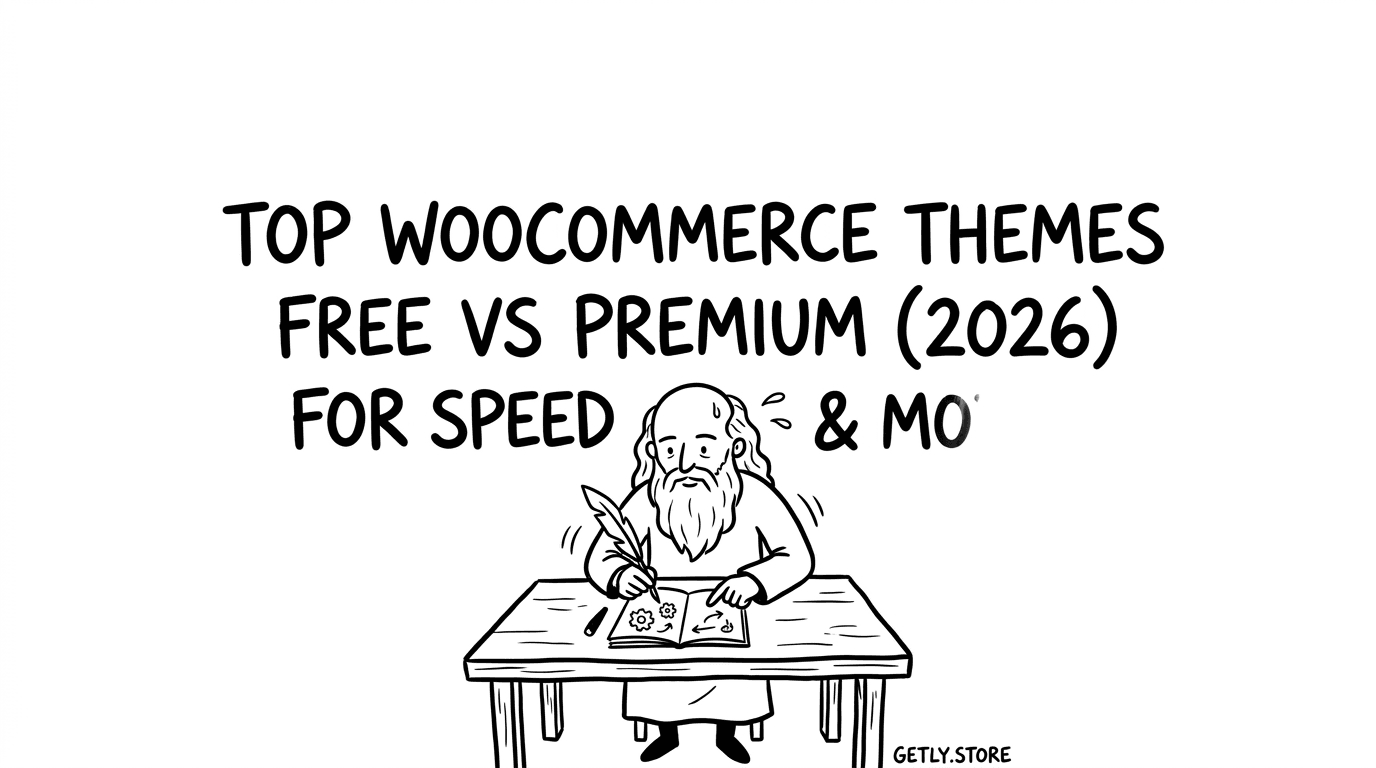
Вы хотите интернет‑магазин на WooCommerce, который открывается мгновенно и красиво выглядит на телефонах - но без лишних затрат. В 2026 выбор «бесплатно или премиум» стал тоньше: важнее не цена, а производительность, верстка под мобилки и качество шаблонов для витрины.
Ниже разберем, какие WooCommerce темы free реально подходят для скорости, чем премиум выигрывает на практике, и как выбрать online store templates под ваш каталог.
- Бесплатные темы часто ускоряются настройками, но премиум обычно дает более зрелую мобильную адаптацию.
- Главные факторы скорости: минимальный CSS/JS, оптимальные шрифты, отложенная загрузка и чистая структура блоков.
- Для WooCommerce критично качество страниц: карточка товара, корзина, оформление заказа, поиск и категория.
- Если вы продаете WordPress starter theme или sell WordPress themes, покупатели выбирают по тестам, а не по «красоте демо».
Какие WooCommerce темы free в 2026 быстрее и мобильнее?
Бесплатные темы в 2026 способны быть быстрыми, если у них минималистичная верстка и корректная работа WooCommerce‑шаблонов. Однако «free» почти всегда означает больше ручной работы: проверка скорости, оптимизация медиа и контроль плагинов.
Если ваша цель - скорость и мобиль, вы должны оценивать не баннер «много демо», а конкретные метрики: LCP, INP и CLS на реальных устройствах (Android среднего уровня + iPhone последнего поколения).
Что проверять в WooCommerce темах free перед установкой
Первое - базовая архитектура. Хорошая тема обычно использует аккуратные стили, не тянет «лишние» библиотеки и не дублирует функциональность плагинов. Второе - корректность шаблонов WooCommerce: витрина, фильтры, карточки товаров, корзина и checkout.
Мини‑чеклист перед тем как ставить тему на прод:
- Тест в Lighthouse/Pagespeed на мобильной сети (3G/4G), а не только в локальной среде.
- Проверка шрифтов: есть ли preload/woff2, нет ли шрифтов «в лоб» в критическом CSS.
- Есть ли «лишний» JS: виджеты, анимации, счетчики, слайдеры‑тяжеловесы.
- Как тема рендерит карточки товаров: нет ли лишних вложенных оберток и тяжёлых модалок.
- Как ведет себя оформление заказа: минимальное число редиректов и скриптов.
- Проверка на CLS: корректные размеры изображений и плейсхолдеры.
Когда бесплатная тема - лучший выбор
Бесплатная тема - лучший вариант, если у вас небольшой каталог, вы ограничены по бюджету и готовы довести UX настройками: оптимизировать изображения, включить кеширование и подобрать легкие плагины.
Также она подходит, если вы делаете «витринную» структуру с упором на контент: блоги о товаре, SEO‑страницы категорий и подборки. В таких кейсах тема часто должна быть нейтральной, а не «агрессивно дизайнерской».
Совет: если хотите максимальную скорость на бесплатной теме, сначала оптимизируйте не тему, а «обвязку» - плагины, оптимизацию картинок, кеш и шрифты. Часто это дает +30–60% к скорости без смены темы.
Что дает премиум: лучшие ecommerce WordPress themes для WooCommerce
Премиум‑темы выигрывают не «стилем», а зрелостью. В 2026 лучшие best ecommerce WordPress themes обычно лучше контролируют верстку WooCommerce‑компонентов и заранее продумывают мобильную сетку, отступы и поведение интерфейса.
Покупатель чувствует разницу там, где бесплатные варианты часто спотыкаются: на карточке товара, в категории с пагинацией/фильтрами и в checkout‑процессе.
Где премиум реально ускоряет конверсию
Скорость - это не только «быстрее открыть». Это меньше ошибок ввода, меньше отвлечений и более стабильная верстка. Премиум‑шаблоны чаще включают оптимальные компоненты: легкие галереи, более эффективные макеты и меньше конфликтов с популярными SEO/checkout‑плагинами.
- Карточка товара: корректная загрузка галереи и превью, стабильные размеры (меньше CLS).
- Категории: аккуратные карточки, предсказуемая высота, удобный mobile grid.
- Поиск: меньше лишних скриптов, лучше кешируемость результатов.
- Checkout: уменьшенное количество перерисовок и корректная интеграция с платежными модулями.
- Секция “доп. товары”: оптимизация запросов и отображения.
Сколько обычно стоит «дороже», но выгоднее
Премиум не обязательно означает десятки плагинов. Часто одна качественная тема экономит время и снижает потребность в кастом‑разработке, потому что шаблоны WooCommerce уже собраны грамотно.
Ориентир для решений: если вам нужен быстрый старт и стабильный дизайн на мобилках, премиум окупается быстрее за счет конверсии, а не только времени разработки.
Частая ошибка: покупать премиум «за красивое демо», но не проверять, насколько быстро грузятся страницы товара и checkout. В WooCommerce это критично: даже идеальный дизайн бессилен, если LCP и INP проседают на мобилках.
Онлайн store templates: как сравнить free и premium по скорости
Правильный ответ на вопрос «что быстрее» - сравнивать не тему в вакууме, а одинаковые сценарии. Выберите 3–5 страниц‑типов и тестируйте один и тот же набор плагинов и настроек кеша.
Тогда вы увидите, где именно тема помогает: критический CSS, размер JS‑бандла, количество запросов, поведение изображений и стабильность макета.
Тестовый набор страниц для честного сравнения
Для интернет‑магазина WooCommerce вам важно тестировать страницы, которые чаще всего влияют на покупки. Подготовьте один контент‑набор: одинаковое количество изображений, одинаковые товары (или похожие по весу), одинаковые модули.
- Главная: список категорий/хитов, баннеры.
- Страница категории: grid товаров + пагинация/фильтр (если есть).
- Страница товара: галерея, описание, блоки “доставка/опции”, рекомендованные товары.
- Корзина: обновление количества и мини‑итоги.
- Оформление заказа: поля доставки/оплаты.
- Страница поиска по запросу (если вы используете поиск внутри сайта).
Таблица: что именно отличает темы по производительности
| Что смотреть | Как проявляется в free | Как проявляется в premium | Почему это важно для WooCommerce |
|---|---|---|---|
| Критический CSS | Часто больше селекторов, лишние стили | Обычно чище и оптимизированнее | Влияет на скорость рендера |
| JS‑нагрузка | Больше зависимостей и виджетов | Меньше лишнего, лучше контроль | INP страдает при задержках |
| Шрифты | Часто не оптимизированы или грузятся поздно | Лучше управляются (preload/варианты) | Влияет на CLS и LCP |
| Изображения | Иногда галереи тяжелее | Часто есть более легкие шаблоны галереи | Размеры и LCP на товаре |
| Шаблоны WooCommerce | Иногда конфликтуют с плагинами | Чаще учитывают популярные сценарии | Стабильность checkout |
Успешный подход: тестируйте одну и ту же «нагрузку» (например, 12 товаров на категорию и 6 слайдов галереи). Так вы поймете, где разница именно в теме, а не в контенте.
Как выбрать best ecommerce WordPress themes под вашу нишу
Лучший выбор WooCommerce‑темы - это совпадение структуры сайта с типом товаров и способом принятия решения. Для ниш вроде электроники важна детализация карточек; для fashion - сетка и фильтры; для digital‑товаров - упаковка, лицензии и страница доставки/доступа.
Ниже - рабочая логика выбора, чтобы тема не стала тормозом и не заставляла вас переделывать макет через неделю.
Сопоставьте тему с поведением покупателя
Сначала опишите путь клиента: как он ищет, как сравнивает товары и где спотыкается. Затем выбирайте online store templates с нужными блоками - но не ценой производительности.
- Широкий каталог: важны категории, сортировки, фильтры и быстрые карточки.
- Премиальные товары: важны галерея, варианты (размер/цвет), отзывы и рекомендованные.
- Малый каталог: можно позволить больше «витринного» дизайна, но галерея все равно должна быть легкой.
- Digital & подписки: нужны четкие блоки доставки/лицензий, быстрый checkout без лишней магии.
Почему важно думать о шаблонах, а не только о дизайне
Скорость и мобильность приходят от правильной структуры: сколько элементов в DOM, как загружаются изображения, есть ли интерактив в карточках, который ломает скролл на слабых телефонах.
Если вы выбираете WordPress starter theme для будущего расширения, учитывайте: будет ли легко заменить верхнюю часть, добавить промо‑блоки, подключить сравнение товаров и удержать стабильные метрики.
Профессиональный совет: выбирайте темы, которые не прячут критические части WooCommerce в «магических» настройках. Чем прозрачнее структура, тем легче оптимизировать и не ловить баги после обновлений.
WordPress starter theme и sell WordPress themes: логика для создателя
Если вы сами делаете шаблоны и хотите sell WordPress themes, скорость и мобильная стабильность - это не «дополнительная опция», а часть продукта. Покупатели в 2026 покупают уверенность: что тема не развалится с WooCommerce и что она будет быстро работать.
С точки зрения разработки, WordPress starter theme - отличный подход для контроля базовой производительности. Вы строите платформу, а затем добавляете модульные компоненты.
Какие требования ставить теме как продукту
Представьте, что ваша тема будет установлена на сотни магазинов с разным количеством плагинов. Поэтому у нее должны быть правила: минимум конфликтов, понятные хуки, согласованная типографика и предсказуемая загрузка скриптов.
- Модульность: отключаемые секции без «битого» макета.
- Стили: меньше глобальных правил и меньше тяжелых селекторов.
- Скрипты: загрузка только когда нужно (например, галерея - только на странице товара).
- Поддержка WooCommerce: корректные overrides без ломания апдейтов.
- Документация: как измерять скорость, какие настройки рекомендуется включить.
Как упаковать ценность для покупателя
Чтобы продать тему, покажите не только скриншоты. Включите в описание: результаты тестов на мобильных устройствах, рекомендации по шрифтам и изображениям, а также перечень страниц, где тема «заточена» под WooCommerce.
Если вы ведете каталог цифровых товаров (шаблоны, ассеты, системы), полезно иметь понятные модели лицензий и понятные требования к установке. Клиенты ценят ясность сильнее, чем маркетинговые обещания.
Важно: не заявляйте «молниеносная скорость» без измерений. В 2026 покупатели легко проверяют показатели сами, а несоответствие приводит к возвратам и негативным отзывам.
Практический план: ускоряем WooCommerce на free и premium
Неважно, выбрали вы WooCommerce themes free или премиум - скорость в магазине почти всегда зависит от оптимизации. Ниже - план действий, который обычно дает самый заметный эффект за первые дни.
Цель - улучшить LCP/INP/CLS на мобильных устройствах без потери функциональности и без «магических» оптимизаций, которые потом сломают checkout.
Тюнинг производительности за 7 шагов
Сначала сделайте базу, потом тонкую настройку. Этот порядок помогает не «лечить» симптомы и не тратить время на хаотичные правки.
- Сжать и правильно масштабировать изображения: современные форматы (WebP/AVIF), размеры под реальное отображение.
- Настроить отложенную загрузку: не грузить ниже первого экрана тяжёлые медиаданные.
- Контроль шрифтов: ограничить семейства, подключать woff2, проверять swap‑поведение.
- Кеширование: страничное кеширование + объектный кеш для WooCommerce‑сценариев.
- Оптимизация JS: отключить лишние анимации/виджеты, пересмотреть плагины.
- CDN: особенно если магазин географически распределен и много медиа.
- Повторный тест на телефоне: сравнить метрики до/после на реальном устройстве.
Мобильный UX: что не ломать при оптимизации
Скорость без удобства - провальная стратегия. Следите за интерактивом: прокрутка карточек, размеры кнопок, читаемость цены и вариативность товара. Мобильные пользователи чаще отваливаются из-за «мелких» проблем: слишком маленьких тап‑зон, долгого обновления корзины, прыгучей верстки.
Если вы используете медиа‑обновления (галереи, видео, скринкаст), обеспечьте корректный lazy‑load и стабилизацию контейнеров, чтобы CLS не рос.
Практика: откройте страницу товара на телефоне, затем быстро прокрутите: если цена, кнопка покупки или галерея «прыгают» - это почти всегда CLS/шрифты/размеры медиа. Исправьте это раньше, чем будете менять тему.
Что выбрать в итоге: free или premium для магазина в 2026?
Лучший ответ на вопрос «что выбрать» - зависит от того, сколько вы готовы инвестировать в настройку и насколько критичны мобильные UX‑детали для вашего ассортимента. В 2026 premium чаще дает более стабильную базу и меньше конфликтов, но free может быть отличным стартом при грамотной оптимизации.
Если вы продаете товары с высокой ценой за единицу и вам важны конверсия и доверие, premium почти всегда становится выгоднее. Если каталог небольшой или вы тестируете модель, free способен дать хороший ROI после тюнинга.
Быстрый выбор по сценариям
- Вы запускаете магазин с ограниченным бюджетом: берите WooCommerce themes free, но сразу закладывайте время на оптимизацию.
- У вас много товаров и сложные категории: выбирайте премиум, чтобы карточки, фильтры и макеты были стабильнее.
- У вас сложная витрина (галереи/варианты/видео): премиум обычно снижает риск визуальных багов на мобилках.
- Вы строите долгосрочный бренд: premium быстрее приведет сайт в состояние «готово к масштабированию».
Где уместно использовать цифровые ассеты, а не утяжелять тему
Иногда проблема скорости не в теме, а в контенте. Например, если вы публикуете 3D‑превью, скриншоты или видео, следите за тем, чтобы ассеты не «перекрывали» преимущества хорошей темы.
Как пример подхода к контенту: если вам нужны визуальные элементы (анимации, шейдеры, 3D‑пайплайн), берите ассеты, которые оптимизированы для встраивания и не требуют тяжелой сборки на стороне сайта. Некоторые creators упаковывают такие системы в готовые продукты, например ассет‑пайплайн для импорта/экспорта 3D (Studio 3D Import/Export) или профессиональные инструменты для записи визуальных материалов (Pro Recorder). Их можно использовать как часть контентной стратегии магазина, не превращая сайт в лабораторию сборки.
- Studio 3D Import/Export - Complete Asset Pipeline
- Pro Recorder - Professional Screenshot & Video Capture System
- videographer
Так вы сохраняете скорость сайта: тема отвечает за верстку, а медиа - за визуальный опыт, но в рамках оптимизированной доставки.
- В 2026 «free vs premium» - это прежде всего про стабильность WooCommerce‑шаблонов и поведение на мобилках.
- Сравнивайте темы на одинаковых сценариях: категория, карточка, корзина, checkout и поиск.
- Почти всегда больше ускорения дает оптимизация картинок, шрифтов и кеша, чем смена темы сама по себе.
- Если вы делаете собственные шаблоны, воспринимайте скорость как часть продукта: измеряйте, документируйте и минимизируйте конфликты.
FAQ: WooCommerce темы free и premium для скорости
Какая WooCommerce тема free лучше для мобильной скорости в 2026?
Лучшая - та, которую подтверждает тест на мобильном устройстве: низкий CLS, адекватный LCP и отсутствие тяжелых JS‑скриптов на страницах товара и checkout. Чаще всего это минималистичные темы с чистой версткой и аккуратной интеграцией WooCommerce.
Нужна ли премиум‑тема, чтобы магазин был быстрым?
Не обязательно. Скорость в WooCommerce чаще упирается в медиа, шрифты, кеш и плагины. Но премиум обычно уменьшает риск конфликта и дает более стабильные компоненты витрины, что проще добиться «из коробки».
Как понять, что тема тормозит checkout?
Проверьте страницу оформления заказа в DevTools: если растет объем JS, есть задержки событий или скачет верстка, вы увидите это в INP/CLS и временных шкалах. Затем отключайте по одному плагин/виджет и сравнивайте метрики.
Что важнее: дизайн демо или производительность?
Производительность важнее. Демо часто построено на «идеальных» условиях и может не отражать ваш каталог с реальными изображениями, галереями и количеством товаров. Ваша цель - стабильная скорость на сценариях магазина.
Можно ли ускорить бесплатную тему без кастома?
Да. Обычно хватает оптимизации изображений, шрифтов, кеширования, отключения тяжелых анимаций и пересмотра плагинов. Если проблема в верстке темы (лишний JS, тяжелые галереи), тогда без доработок или замены не обойтись.
Если хотите начать без лишней неопределенности, выберите тему по метрикам и сценарию продаж, а не по красивым скриншотам. А дальше - улучшайте магазин итерациями: тест → правка → повторный тест. Если вы в поиске структуры под витрину и готовы к быстрому запуску, посмотрите страницу каталога тем и цифровых продуктов и соберите комплект под свою нишу.